When we talk about public transit, we’re not just talking about buses and trains—we’re talking about people, communities, and the essential lifelines that connect them. So when the idea of zero-fare transit comes up, it is something I take to heart. It’s a compelling idea: making transit more accessible, equitable, and environmentally friendly. Zero-fare policies, while well-intentioned, can lead to more problems than they solve.
Zero-fare transit seems like a surefire way to boost ridership and support those who need it most. As with many things, reality is complex. What looks good on paper doesn’t always deliver in practice.
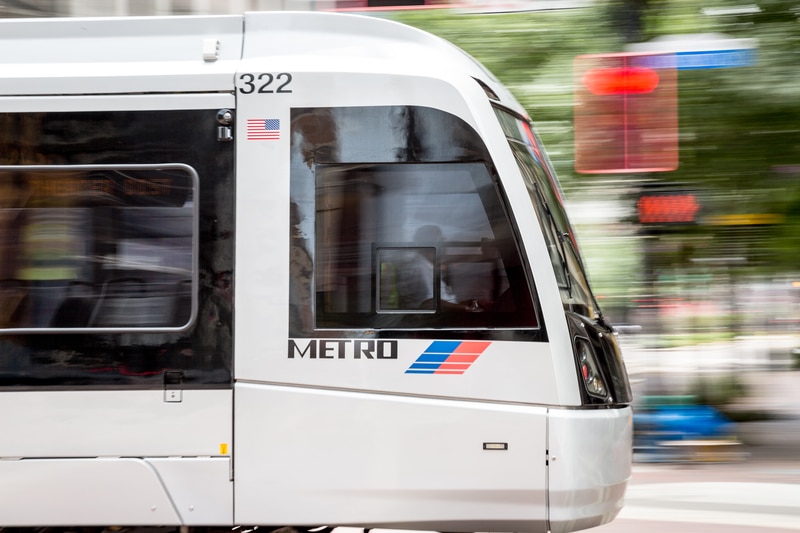
In 2019, Houston Metro conducted a comprehensive year-long study on the benefits and challenges of implementing zero-fares across their bus and rail network. Soon after, data confirmed that offering zero-fares would boost annual ridership by 30.4 million. However, it would lead to a loss of approximately $70 million in fare revenue each year and an additional $170.6 million in operating expenses to accommodate the increased demand with more vehicles and staff.
A 2024 study by APTA’s Emerging Leaders Program surveyed agencies with zero-fare experience. The study found mixed results. While zero-fares improved access and equity, concerns about disruptive passengers, rider comfort, and safety were common. The report emphasized the need for thorough public marketing, government support and long-term planning for zero-fare programs.
During the COVID crisis, many agencies offered free fares only to return to charging once budget pressures resurfaced. Nearly all of them have returned to charge fares, in order to close the same budget gaps that Houston predicted.
Zero-Fare Experiences
Free transit has undeniable advantages for riders. By removing fare collection, systems become more frictionless, which allowed passengers to transfer seamlessly without worrying about ticket validity or costs. This ease of access has been shown to increase ridership, with national studies suggesting jumps of 20% or more. Kansas City, for example, saw an estimated 31% increase in ridership under its zero-fare program.
The economic and environmental benefits are also significant. Zero-free policies can improve disposable income for riders, creating ripple effects in local economies, including job creation and increased personal income. In Kansas City, zero-fare transit is expected to increase employment and generate additional economic output. Furthermore, fare-free systems can contribute to sustainability goals. Kansas City’s policy reduced annual carbon dioxide emissions by about 7,000 tons.
In Luxembourg, the decision in 2020 to make public transit free nationwide created a frictionless system where passengers can easily switch between buses and trams without worrying about tickets. Equity is another critical benefit that the policy makers in Luxembourg hoped to achieve. Free transit disproportionately benefits low-income riders, students, seniors and individuals with disabilities. By eliminating financial barriers, these policies improve access to education, healthcare, and employment opportunities.
Challenges and Limitations
Despite its advantages, fare-free transit faces several challenges. Revenue loss is perhaps the most significant, with systems often needing to replace millions of dollars in fare revenues through alternative funding models. Kansas City lost $8 million to 10 million in fare revenue in 2020, relying heavily on federal support to sustain operations. In Luxembourg, the cost is even higher at 41 million euros ($43 million) per year.
Operational challenges also arise. Increased ridership can lead to overcrowding and slower service speeds. In St. Lucie County, Florida, for instance, increased boardings led to slower operating speeds and higher cleaning costs—up 25% due to increased wear and tear.
In Luxembourg, road congestion remains unchanged because free fares alone have not lured drivers out of their cars, partially because transit systems fail to offer the convenience of door-to-door travel. In May 2022, congestion on Luxembourg’s roads was equivalent to or higher than levels in May 2019, before the free public transit policy was introduced. The results suggest that the increase in transit ridership is from people that would have otherwise walked or ridden a bike.
Data from the Transit Center underscores this point: Riders prioritize frequency and reliability over cost. Fare-free transit might redirect focus and funding away from improving the overall quality and accessibility of the system.
Finding a Balanced Approach
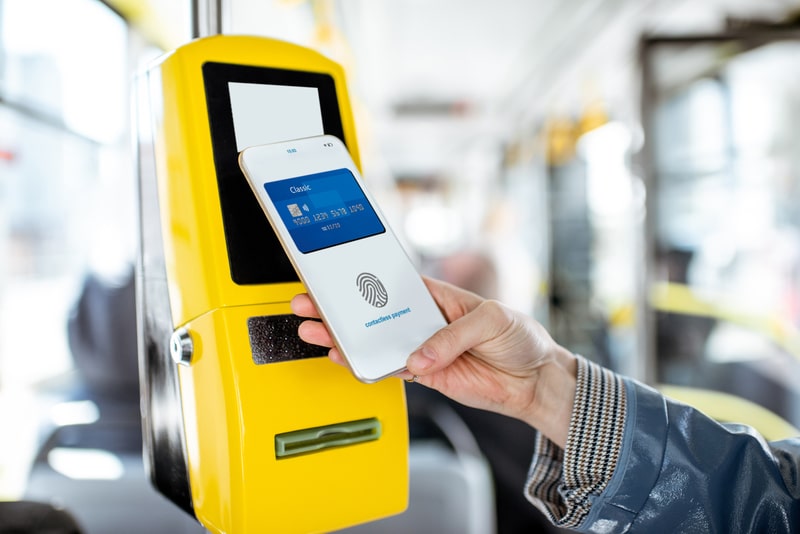
That doesn’t mean cities shouldn’t consider making public transportation free, particularly for people who need it most — students, senior citizens, disabled people and low-income riders. Agencies can take intermediate steps to maximize equity benefits without the financial strain of systemwide fare-free programs.
For cities unable to implement full-scale zero-free programs, targeted strategies provide a viable solution. Offering free or subsidized fares to specific groups, such as students, seniors, and low-income individuals, allows agencies to deliver meaningful equity benefits without straining their budgets.
After Houston Metro completed the study in 2019 and found that zero-fares could significantly increase ridership but also lead to higher operational costs, the agency decided to shift to a fare structure that offers free fares through institutional programs, in addition to fare capping for all users. This model balances accessibility with financial sustainability.
Similarly, in St. Petersburg, the Pinellas Suncoast Transit Authority (PSTA) overhauled its fare- payment system to include fare capping and discounts for seniors, disabled persons, and students. This approach not only simplifies the payment process but also ensures that the system is inclusive, catering to a diverse range of passengers.
The San Francisco Bay Area’s Clipper Start program is a pilot initiative that enhances equity through targeted fare discounts. Eligible residents earning 200% or less of the federal poverty level receive a personalized Clipper card, which automatically applies a 50% discount on single-ride fares across participating transit agencies. This approach ensures affordable access for those who need it most.
In Los Angeles, Metrolink offers an innovative Mobility-4-All program for their riders. Anyone who presents a valid Electronic Benefit Transfer (EBT) card when purchasing a ticket receives a 50% discount on their fare, which includes transfers to other agencies. Metrolink’s ticket-vending machines can validate eligibility automatically, reducing administrative burdens.
San Diego’s MTS also stands out for allowing online applications for reduced fares. Using AI to verify eligibility streamlines the process and eliminates the need for riders to visit a transit center–an example of user-centric design driving adoption.
Moving Forward
So, where does this leave us in the debate over zero-fares? While the idea of free rides for everyone is appealing, the practical challenges it brings—overcrowding, security issues, and financial instability—are too significant to ignore. Instead, we should focus on sustainable solutions that combine flexibility, financial viability and high service quality.
By embracing advanced fare systems and targeting subsidies to those who need them most, agencies can balance equity and sustainability. Public transit is more than a service—it’s a lifeline. By focusing on innovation and equity, we can build systems that truly work for everyone.
Carl Commons is the incoming CEO of INIT North America. He’s spent nearly 20 years in the fare industry based in the U.S. for INIT, Inc., the past five years as chief sales officer.
(Sponsored content)
© Mobility Payments and Forthwrite Media. Mobility Payments content is for individual use and cannot be copied or distributed without the express permission of the publisher.