Transit Agency Serving California Capital Introduces SaaS-Based Fare System; Plans to Replace Existing Closed-Loop Card and App

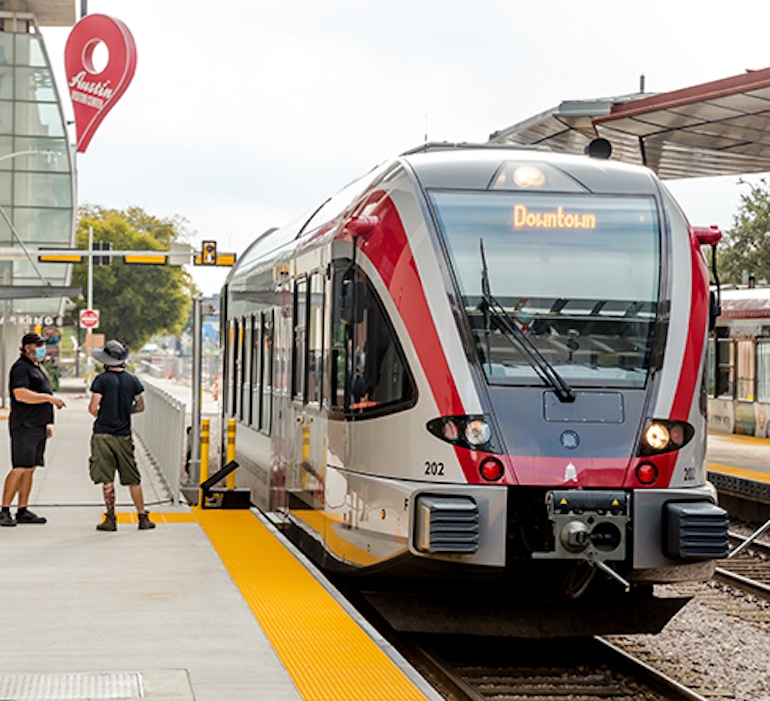
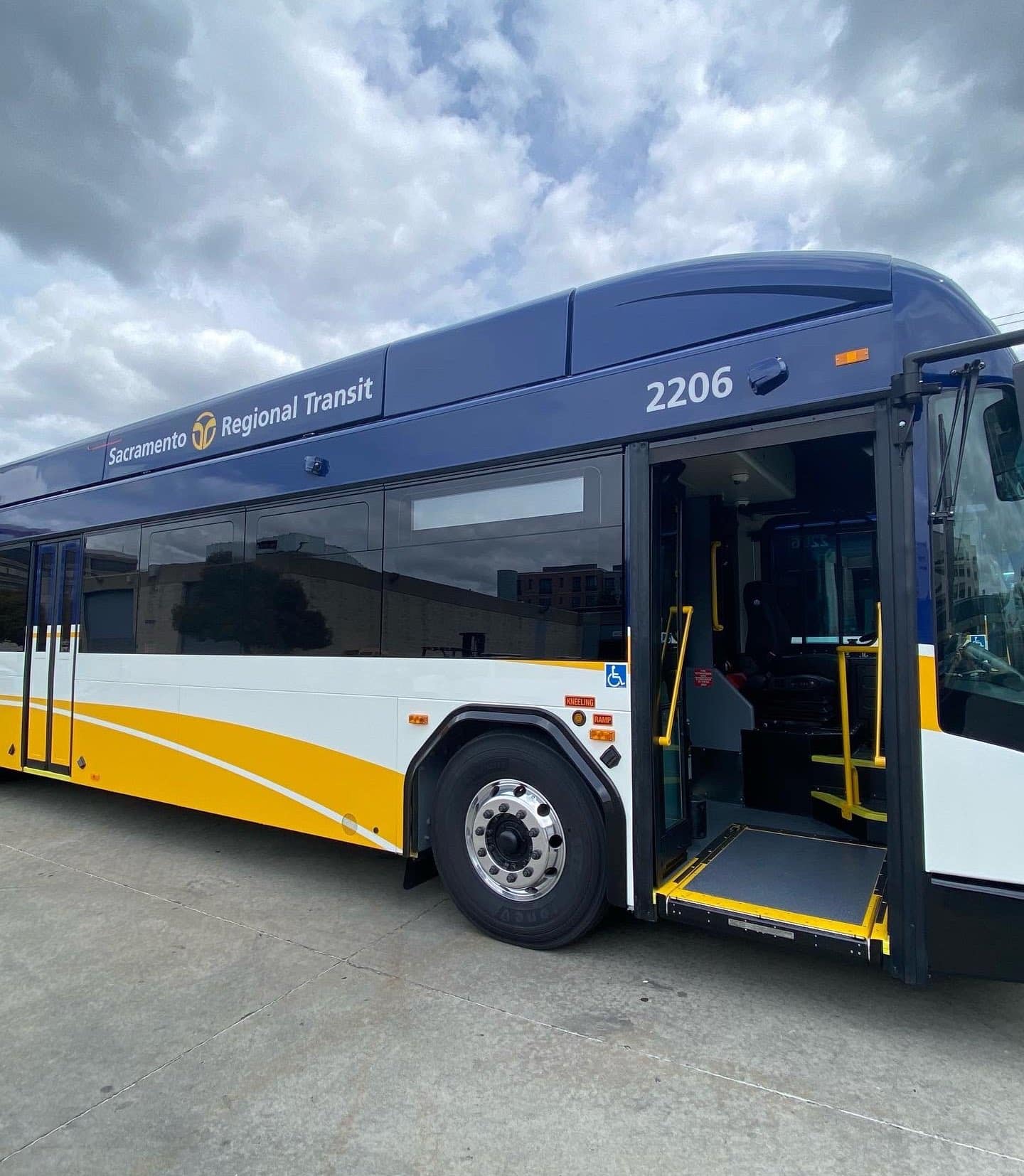
The Sacramento Regional Transit District has launched the first phase of a new ticketing service from UK-based Masabi, with plans calling for the system to replace the agency’s existing closed-loop card and its current mobile app from vendors INIT and Siemens Mobility, respectively.
SacRT launched the Transit Connect app on agency buses and
One Year On: Denmark’s Bold Mobile-First Strategy has Reached Nearly 50% Adoption; Getting the Rest Could be More Difficult

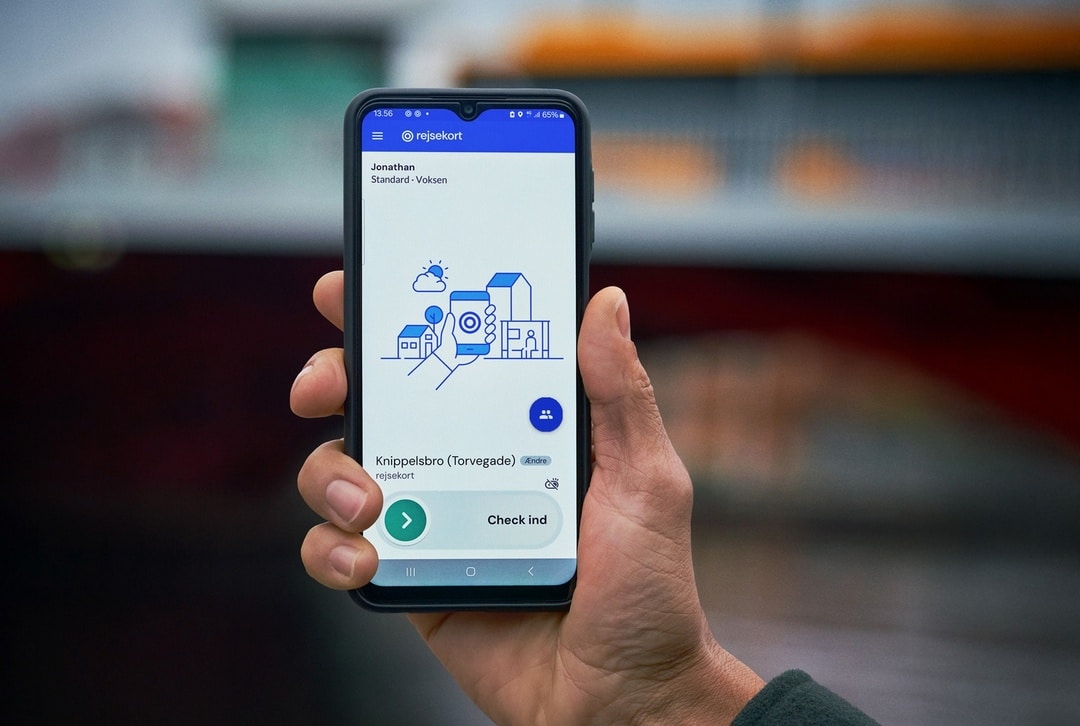
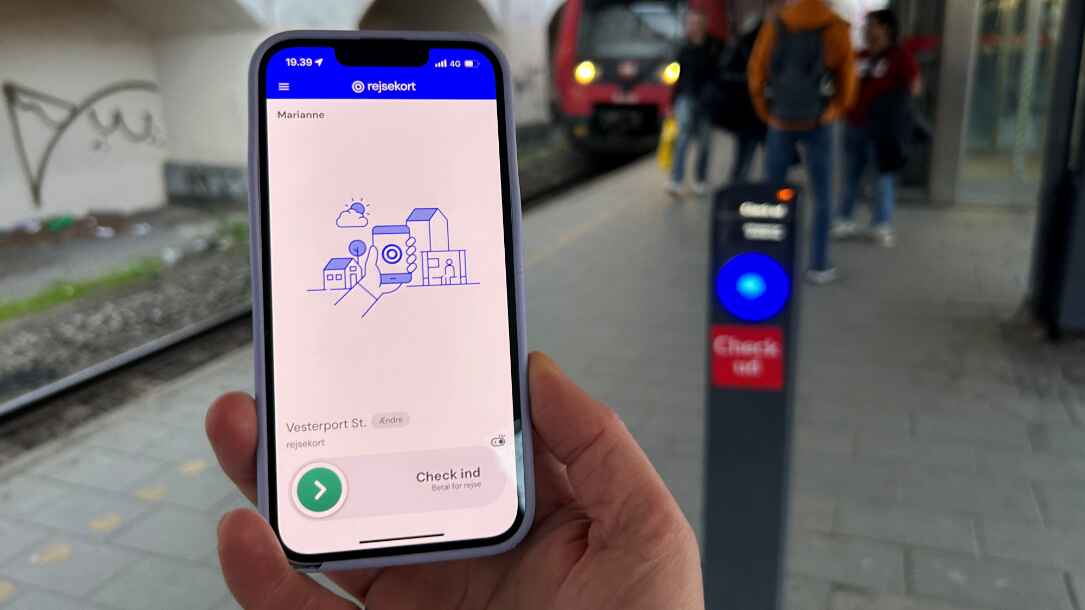
Rejsekort & Rejseplan, Denmark’s national ticketing agency owned by the country’s public transport operators, launched its Rejsekort as an app one year ago this month.
The launch of the pay-as-you-go, GPS-enabled app is noteworthy. It's believed to be the first and still the only time a country has embarked on a mobile-first strategy for public transport payments and attempted to replace a much-used closed-loop fare card with a mobile app.
Records of journeys over the past year (see table and charts below), show project backers are making substantial progress.
Special Report: Ultra-Wideband Holds Much Promise to Power Hands-Free Ticketing; but Backers Must First Overcome Significant Challenges

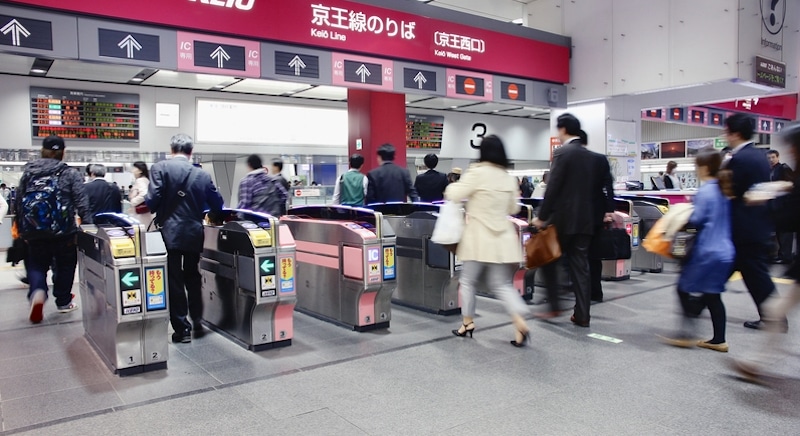
Pitched as a technology to enable completely hands-free mobile ticketing at busy gated metro stations, ultra-wideband is likely still years away from possibly making good on its promise of providing an alternative to contactless tap-in and tap-out and other fare-payment methods.
Ultra-wideband, or UWB, offers a faster and more accurate option as compared with such other location-based technologies used for mobile ticketing as Bluetooth or GPS–potentially enabling hands-free ticketing at fast-paced subway gates with throughput of 60 customers per minute or more.
Changeover Underway to New Vendor for Switzerland’s Fast-Growing Mobile-Ticketing Service

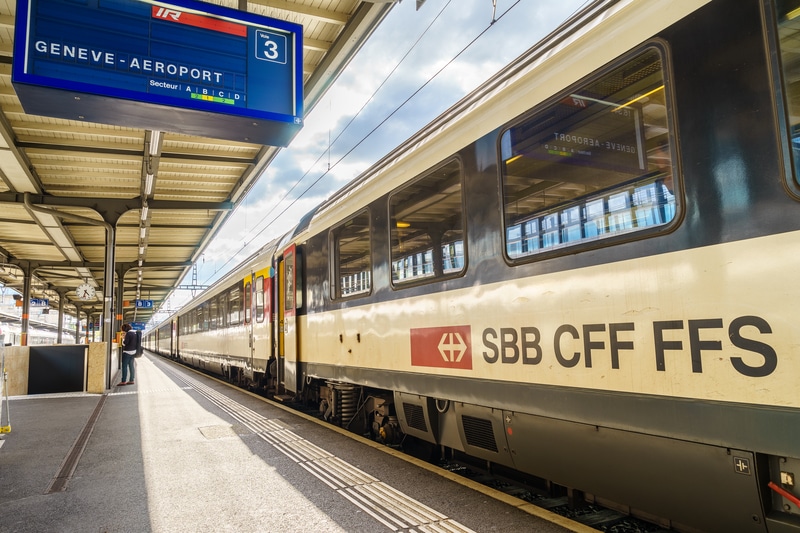
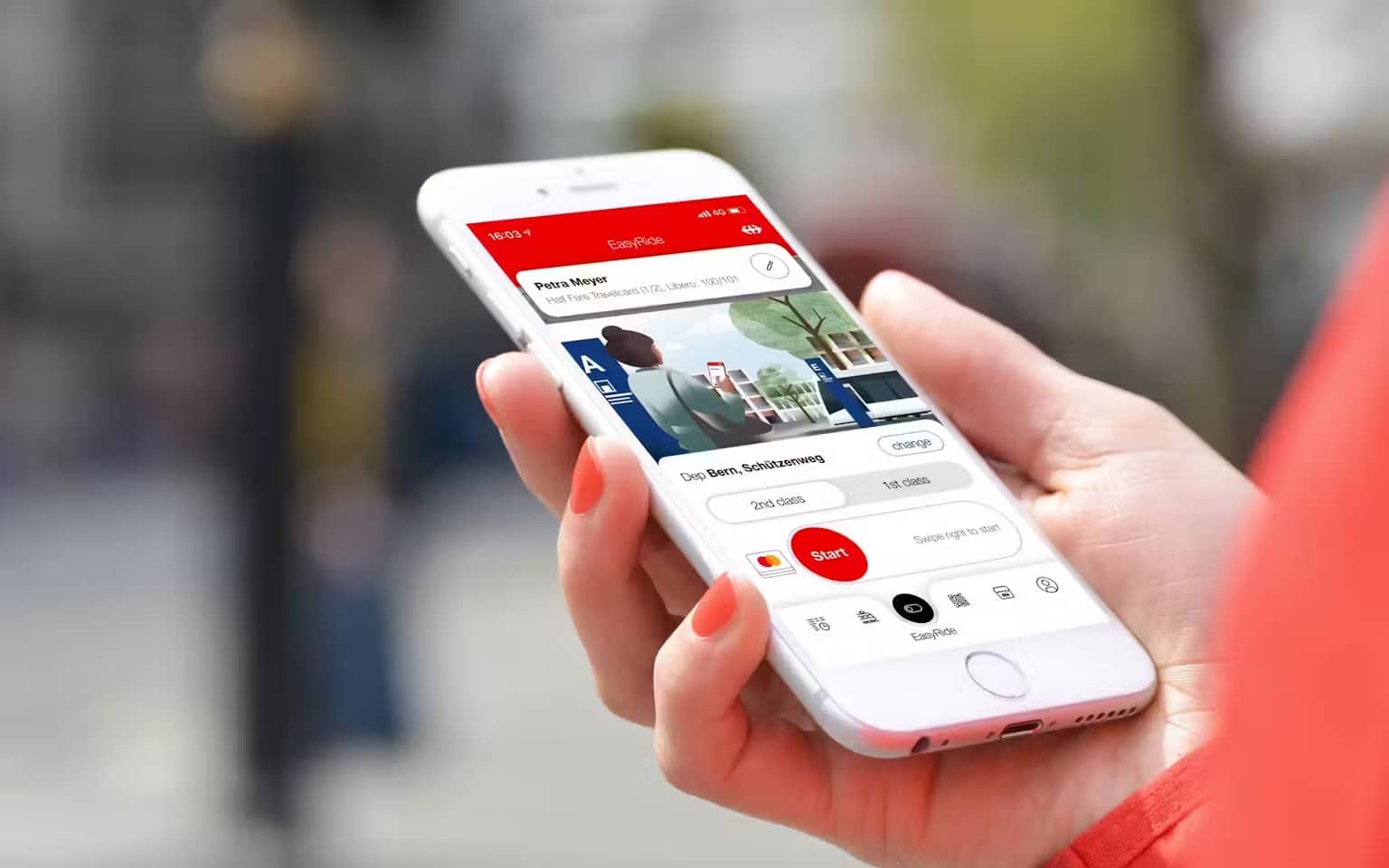
Swiss Federal Railways, or SBB, is preparing for a switch of vendors for its well-known digital-ticketing service EasyRide, which is seeing growing usage for the GPS-based, pay-as-you-go ticketing offer.
The national rail operator told Mobility Payments it expects the changeover from incumbent Fairtiq to Axon Vibe to be complete by the end of the year.
Vendor for Denmark’s High-Profile Mobile-Ticketing Service Contends Contract Loss in Switzerland Won’t Compromise Company ‘Stability’ or ‘Strategy’

Fairtiq, the technology supplier behind Denmark’s much-watched national ticketing app, told Mobility Payments this week that the loss of a major contract for a similar service it’s enabled for years in Switzerland, while “naturally a challenge,” would not “compromise our operational stability or long-term strategy.”
Switzerland-based Fairtiq has long touted its contract with Swiss Federal Railways, or SBB, providing the white-label EasyRide feature in the much-used SBB Mobile app.
U.S. Transit Agency Eliminates Cash on Board Buses; One of Few Cashless Agencies Nationwide

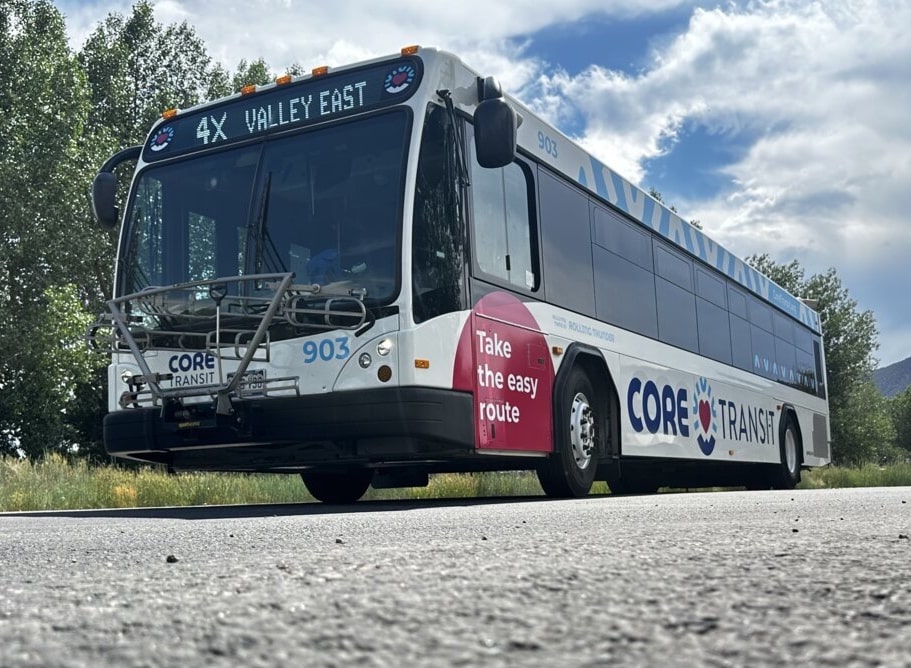
Faced with the choice of replacing aging fareboxes on its bus fleet or stopping cash acceptance altogether on board the vehicles, a small regional U.S. transit agency in Colorado chose the latter–even though it had collected 40% of its fares in the fareboxes only a month earlier.
It made Core Transit, which serves several small communities located two hours outside of Denver, one of the few transit agencies in the U.S. to have gone cashless on board its public transit vehicles.
Cubic to Launch Open-Payment Overlay Product, Introduces New Pricing Strategy, as It Seeks to Revamp Umo Offer

Cubic Transportation Systems plans to launch its “open-payment overlay” product within 90 days, seeking to give transit agencies the potential to launch open-loop payments with low upfront costs, like the Washington (D.C.) Metropolitan Area Transit Authority is doing with another vendor, Mobility Payments has learned.
Cubic has also introduced lump-sum pricing for new Umo ticketing contracts, deeming the old pricing strategy unsustainable.
Denmark Says It’s One-Third of the Way Toward Hitting Goal of Nearly Universal Adoption of Mobile-Ticketing App

When Danish transport officials launched their nationwide mobile-ticketing app last year, they repeated their ambitious–some might say fantastical-projection that use of the GPS-enabled app would one day account for 90% of public transport trips in the country.
Use of the app is still a long way from 90%, but project backers are making progress toward that goal. A spokesperson for Danish transport-ticketing agency Rejsekort & Rejseplan told Mobility Payments that the pay-as-you-go app topped 30% of total trips for the week ending Tuesday of this week.
UK Government Plans to Trial GPS Mobile Ticketing on Rail Despite Expansion of Open Loop

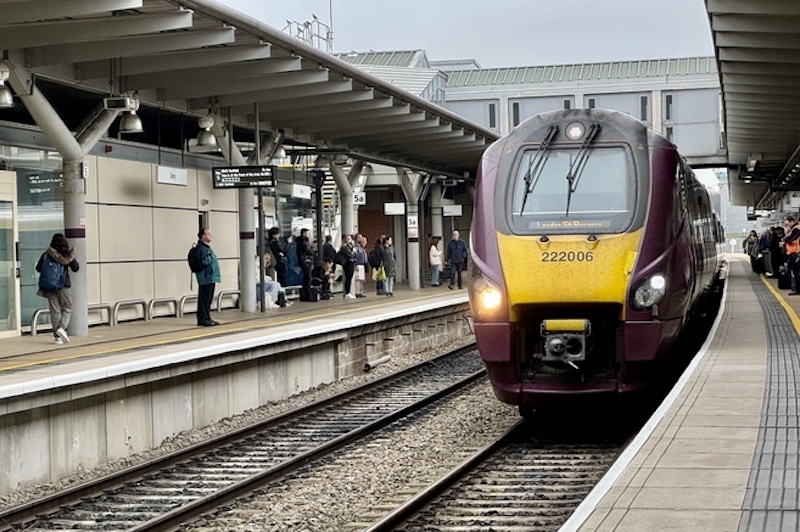
While mobile ticketing using GPS technology is advancing in such countries as Denmark, Switzerland and, to a lesser extent, elsewhere in Western Europe, it hasn’t yet been rolled out in the UK.
British transport authorities and operators have instead backed open-loop payments and pay-as-you-go ticketing for pretty much all transport modes, including–most recently–ticketing for intercity and commuter rail.
EasyPark Buys Flowbird to Grow Bigger in Parking Payments; Company Says It will also Invest in Flowbird Fare Business

EasyPark Group’s recent acquisition of competing parking-payments provider Flowbird of France seeks to help EasyPark expand to thousands of additional cities globally, as well as branching out its offer to parking-payments terminals and other hardware, a market analyst told Mobility Payments.
The deal enables Sweden-based EasyPark, which is mainly known for mobile-parking apps to expand into Asia-Pacific while reinforcing its European business,