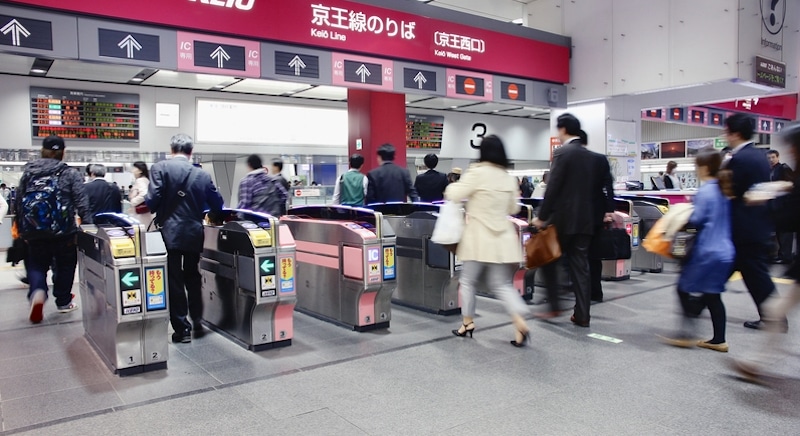
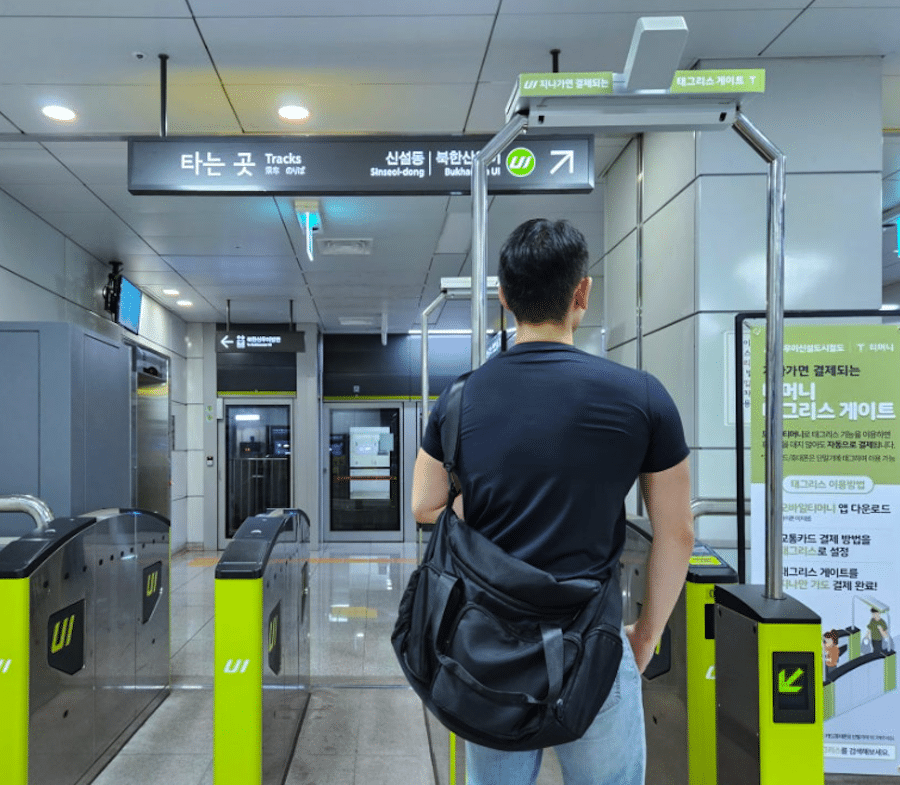
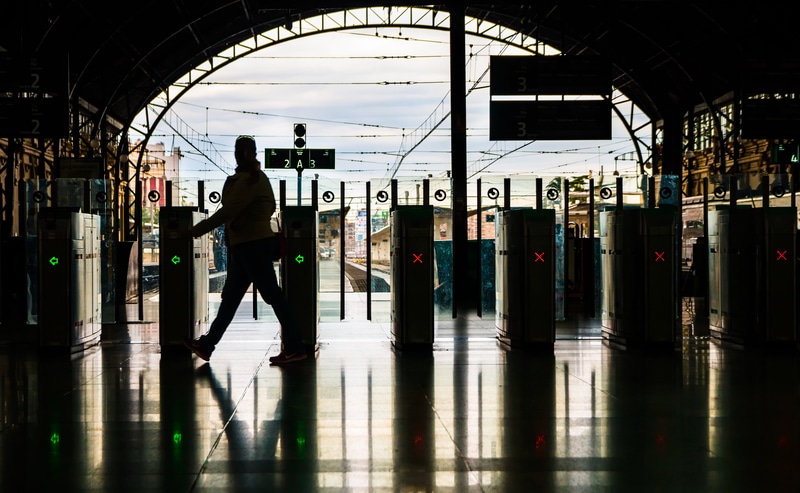
Pitched as a technology to enable completely hands-free mobile ticketing at busy gated metro stations, ultra-wideband is likely still years away from possibly making good on its promise of providing an alternative to contactless tap-in and tap-out and other fare-payment methods.
Ultra-wideband, or UWB, offers a faster and more accurate option as compared with such other location-based technologies used for mobile ticketing as Bluetooth or GPS–potentially enabling hands-free ticketing at fast-paced subway gates with throughput of 60 customers per minute or more.
Pitched as a technology to enable completely hands-free mobile ticketing at busy gated metro stations, ultra-wideband is likely still years away from possibly making good on its promise of providing an alternative to contactless tap-in and tap-out and other fare-payment methods.
Ultra-wideband, or UWB, offers a faster and more accurate option as compared with such other location-based technologies used for mobile ticketing as Bluetooth or GPS–potentially enabling hands-free ticketing at fast-paced subway gates with throughput of 60 customers per minute or more.