Southern California Transit Agency to Sell Tickets Via Google Maps and Google Pay; Others Expected to Follow
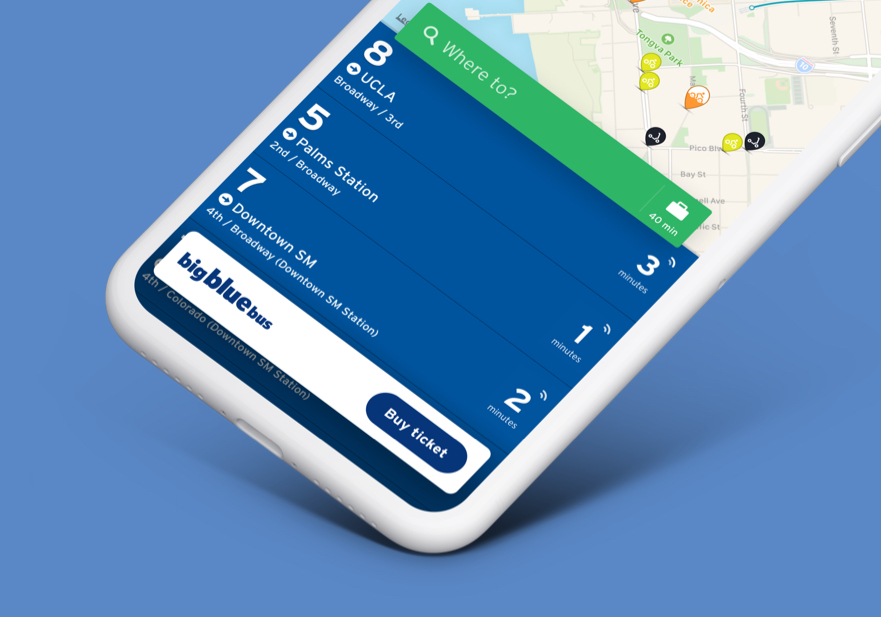
There’s more evidence that popular trip-planning apps Transit, Moovit and Google Maps are seeking to expand further into mobile ticketing and payments from their platforms.
Google Tests Mobile Ticketing Initiated in Maps App; Could Lead to Mobility-as-a-Service Offer?

Three small public transit agencies in the U.S. are quietly testing use of Google Maps and Google Pay to enable customers to first plan then pay for tickets. It’s believed to be the first pilots of its kind for Google, a move that could mean the search giant plans to compete with such popular trip-planning apps as Transit and Moovit, which are starting to enable public transit ticketing and payments, Mobility Payments' sister publication NFC Times reported.
Los Angeles Transit Authority to Support Closed-Loop TAP Card in Both Apple Pay and Google Pay
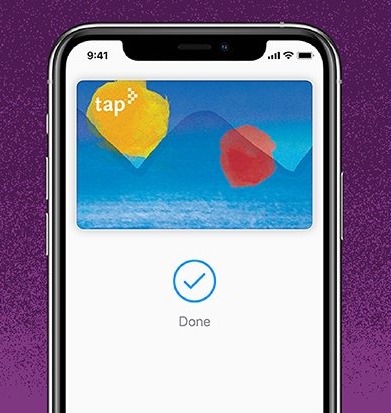
The Los Angeles County Metropolitan Transportation Authority, or Metro, plans to introduce an Android version of its TAP closed-loop fare card, with a virtual TAP card for the Google Pay wallet, a Metro spokesman confirmed.
Uber Expands Mobile Ticketing to More U.S. Public Transit Agencies
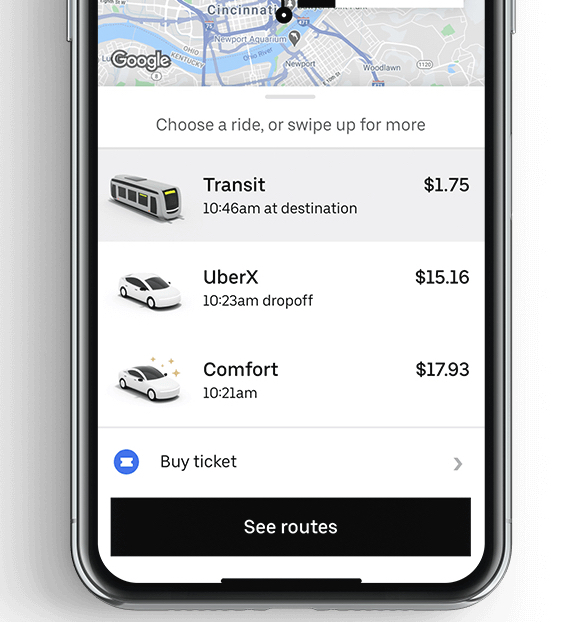
As expected, Uber has expanded support for public transit ticketing in its app again, this time to a consortium of 13 small and mid-tier transit agencies in Ohio and Northern Kentucky–following two other U.S. transit agencies, in Denver and Las Vegas, which have already integrated with Uber–it was announced today.
Italy’s Fourth Largest City Latest to Launch Open-Loop Service
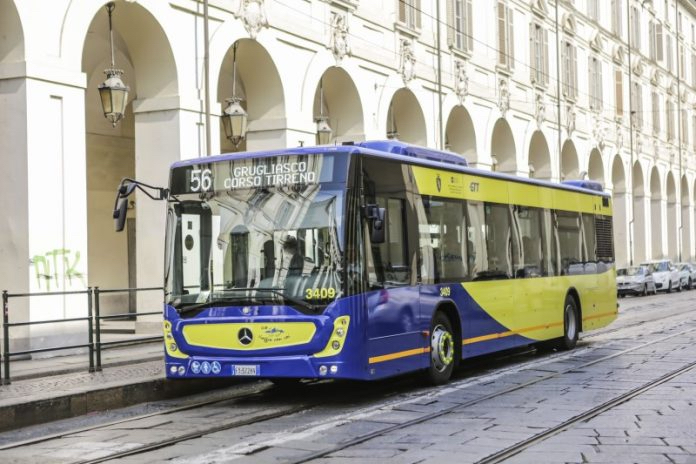
Transit officials in Turin, Italy, have launched acceptance of fares with contactless EMV bank cards and NFC wallets. The Covid-19 pandemic aftermath is expected to accelerate the already significant trend for transit agencies to implement open-loop fare collection.
Calgary Transit Launches Mobile-Ticketing Service with Plans to Expand to Open Loop

Canada’s third largest city, Calgary, has introduced its first electronic fare payments service, offering mobile ticketing from a software-as-a-service platform provider, with plans to enable customers to pay for fares with their contactless EMV credit and debit cards and NFC wallets.
Transit Payments Company Head: Apple and Google Positioned to Take Bigger Piece of Payments Industry
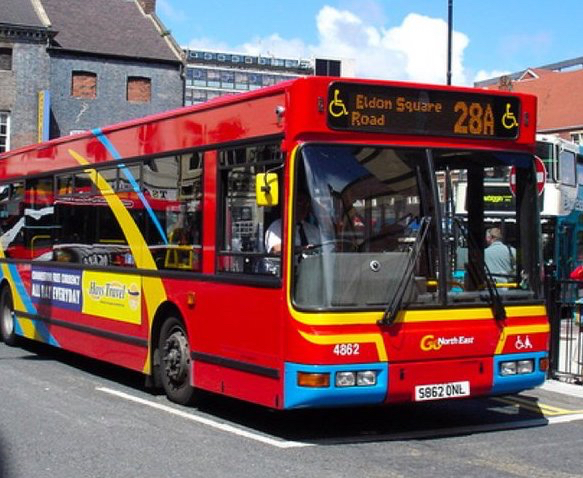
The head of transit payments gateway and processor Littlepay said he believes that Apple and Google are well-positioned to take a “big bite out of the payment chain,” which could change their relationship with payments networks Visa and Mastercard from one of collaboration to one of competition.
Cubic Expands Agreement with Moovit, Seeking to Drive More Use of Mobile Apps by Transit Agencies
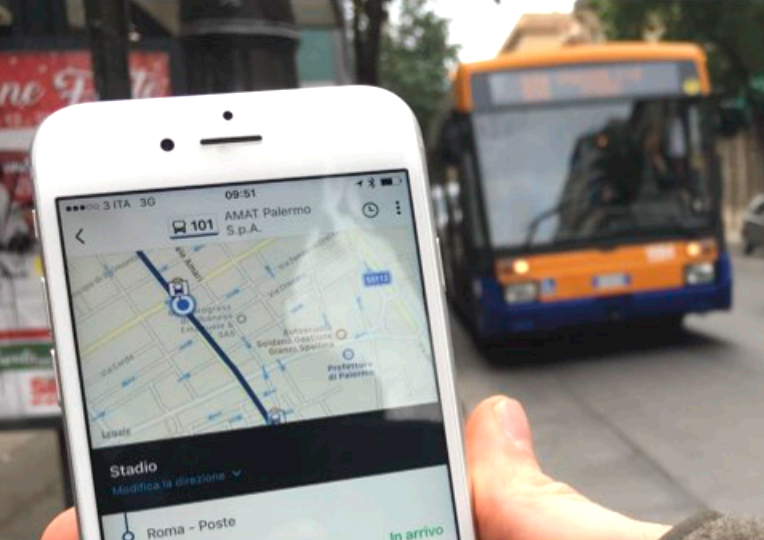
U.S.-based Cubic Transportation Systems and Israel-based trip planning app provider Moovit, now owned by Intel, have expanded their partnership to develop mobile services for transit agencies, seeking to enable transit customers to “look, book and pay” for multimodal journeys.
Brussels Latest European Capital to Launch Open-Loop Fare Payments
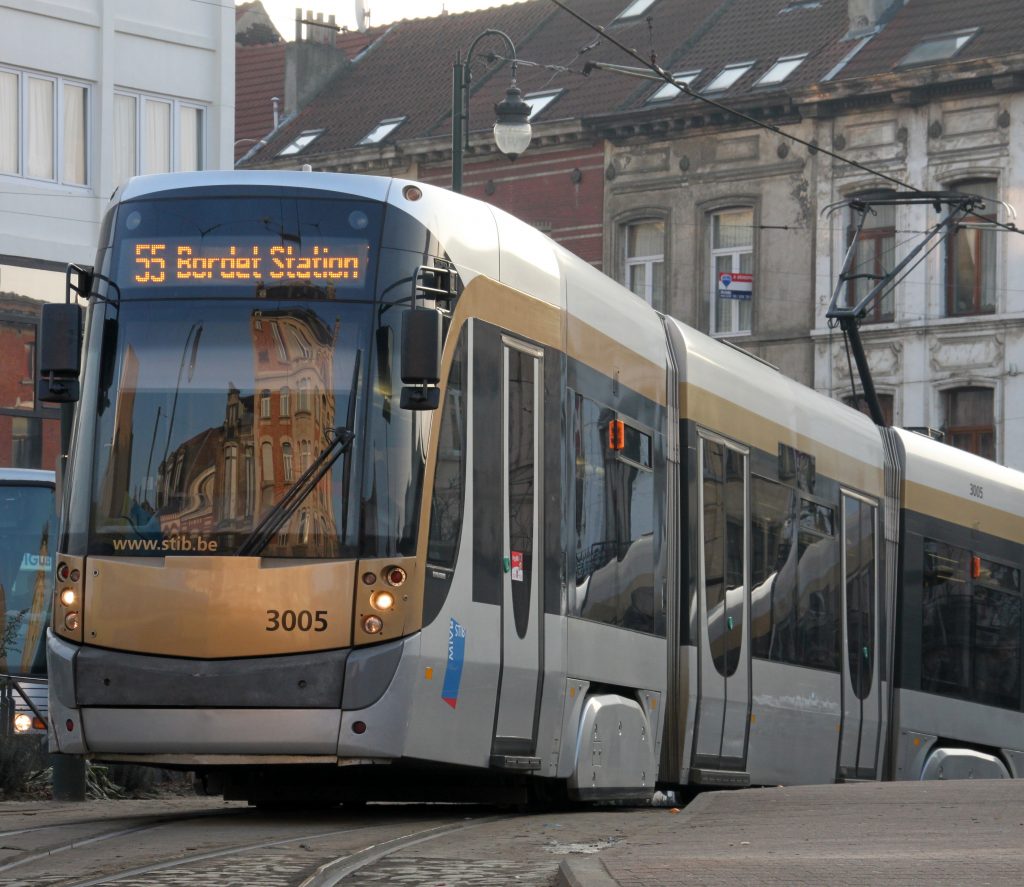
Major Brussels transit operator STIB-MIVB plans to begin accepting contactless EMV credit and debit cards and NFC wallets on Wednesday, the latest European capital to launch open-loop payments following the success of the technology as demonstrated in London.
Boston Transit Agency Seeks to Put Massive Fare-Collection Project Back on Track

The massive new fare-collection system planned by Boston’s Massachusetts Bay Transportation Authority, or MBTA, which will include open-loop contactless payments and an expanded closed-loop program, has had trouble getting off the ground. Late last week, the transit agency finalized its “reset” of the project, agreeing to increase the contract by nearly 30% to just over $935 million and to add two more years to the rollout schedule–all in hopes of getting the project back on track.