In-Depth: Cubic Gets Must-Win Contract in Philadelphia, Beating Accenture on Price; Incumbent Conduent Sent Packing
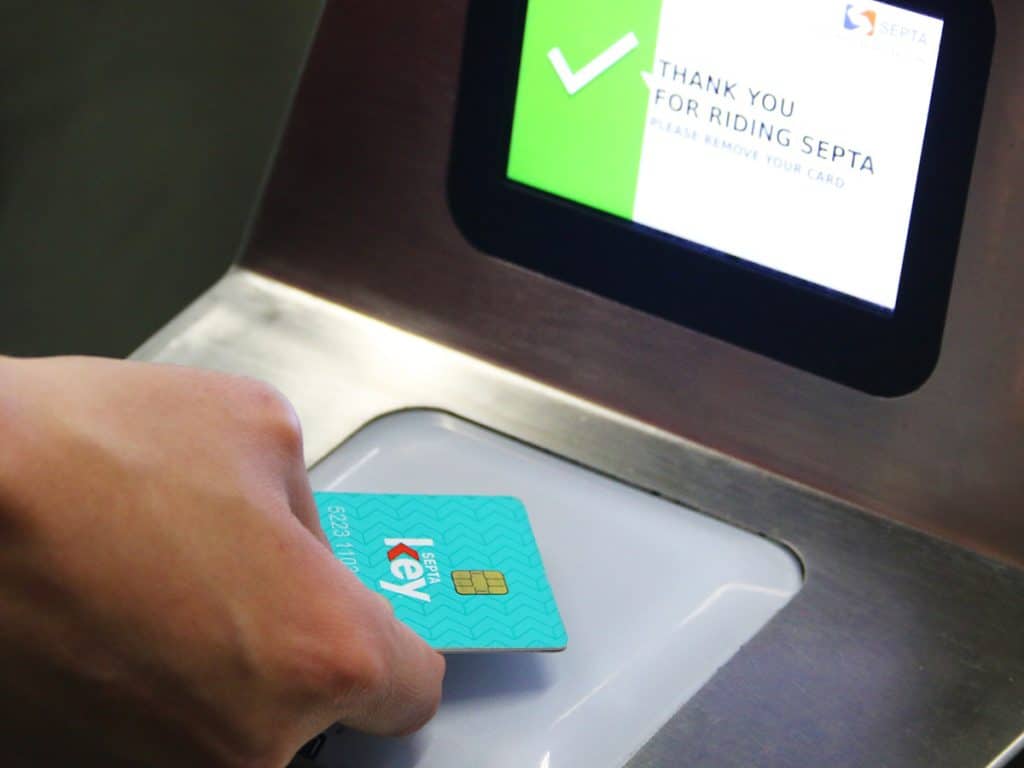
Cubic Transportation Systems, as expected, won a major fare-system contract from the Southeastern Pennsylvania Transportation Authority in Philadelphia, with the SEPTA board approving a $211 million deal Thursday.
It was considered a must-win contract for Cubic, which has been seeking to turn around its fortunes after failing to win a major competitive contract for more than 18 months.
Another Report Surfaces of Problems for Conduent Project in Melbourne
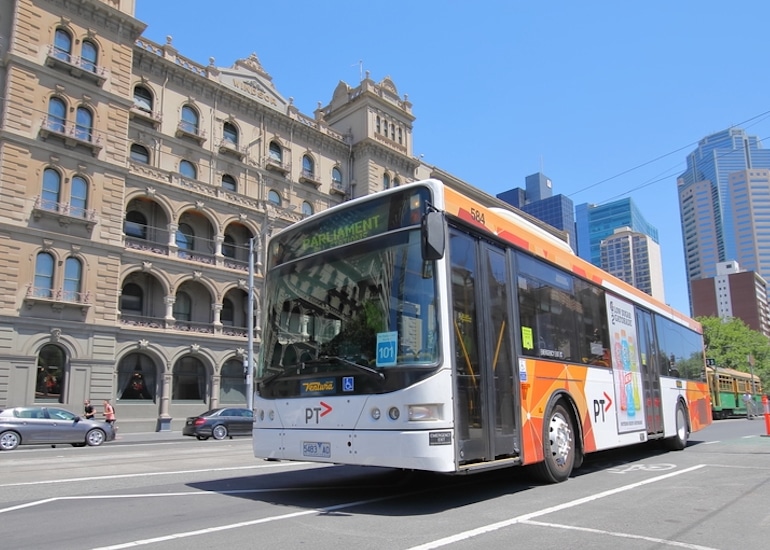
A local report that hit over the weekend is pointing to more problems for Melbourne’s AU$1.7 billion (US$1.1 billion) fare-system overhaul, with a key subcontractor reported to have walked away from the project.
There has also been a separate rumor that Australia’s Victoria state government last month agreed to an
Tip Sheet: Cubic Contract Award Back on Agenda for SEPTA Board Meeting in Philadelphia
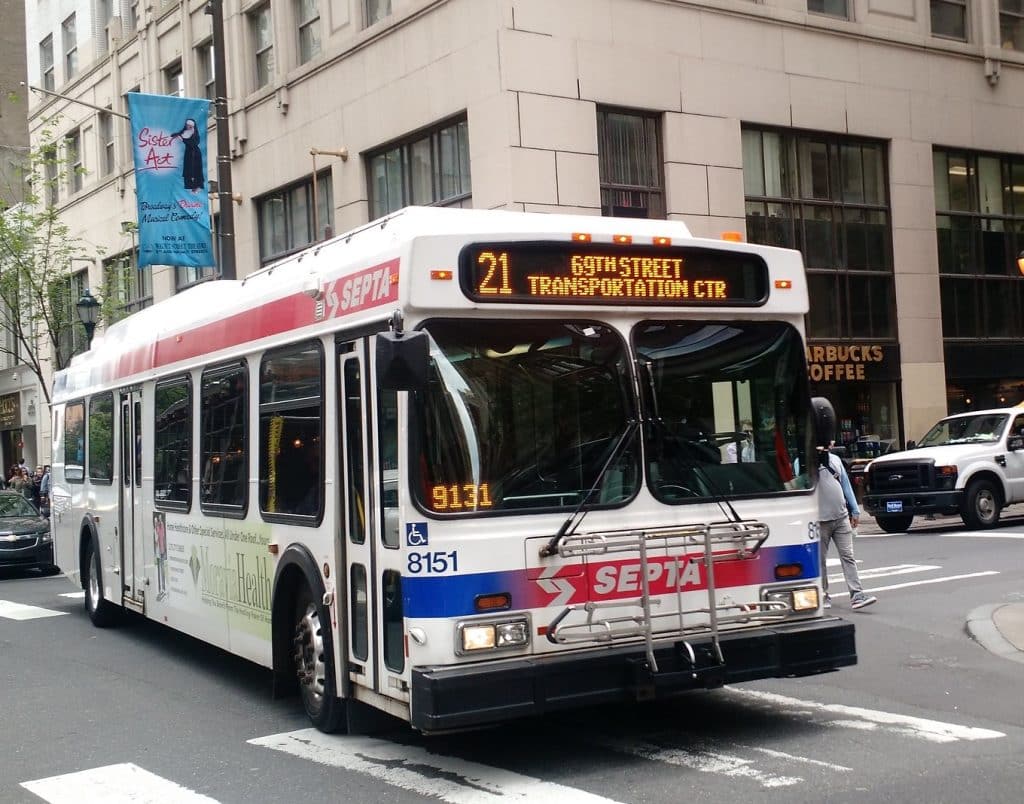
The proposed award of a $211 million fare-system contract for Cubic Transportation Systems is back on the agenda for a board meeting of Philadelphia transit agency SEPTA scheduled for next week, where the award is expected to gain approval.
As Mobility Payments reported last month, SEPTA had abruptly pulled a similar agenda item a few days before the board’s regular December meeting, with an agency spokesman telling Mobility Payments only that “discussions about the proposal will continue between board members and SEPTA staff.”
Conduent Misses Chance to Compete for Danish Validator Contract–by a Millimeter

Denmark’s national ticketing agency, Rejsekort & Rejseplan, or RKRP, last week announced that it and the country’s major transport operators had hired Belgium-based vendor Prodata Mobility to supply around 9,000 new validators, as the agency seeks to replace its aging closed-loop card.
RKRP chose Prodata from among five other vendors, as Mobility Payments reported last week. But Mobility Payments has learned there were actually eight bidders for the eight-year contract, worth a minimum of €16.8 million (US$17.3 million) and a maximum of €32.6 million.
Special Report: Japan Sees Movement on Open Loop, but Rollout is Fragmented and Largest Operator Continues to Balk
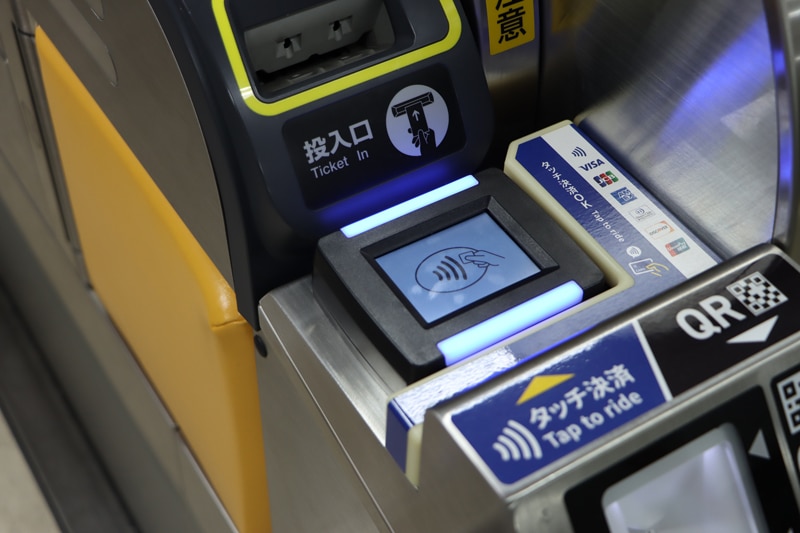
Japan has been perhaps the most notable holdout among developed countries in resisting the move to open-loop fare payments.
There are some signs that this is beginning to change, however. Three major subway operators plan to at least trial open-loop payments soon or have already started.
Danish Transport Officials Hire Vendor to Supply Validators for Customers Who Cannot or Will Not Use National Ticketing Apps
Denmark transport-ticketing agency Rejsekort & Rejseplan today announced it had hired a vendor to supply around 9,000 validators to accept a new closed-loop card the agency plans to roll out, with open-loop payments likely coming later.
The validators are for riders who cannot or will not use nationwide mobile-ticketing apps that Rejsekort & Rejseplan and major Danish public transport operators have launched–most notably a pay-as-you-go app that uses GPS technology.
Updated: Small U.S. Transit Agency Decides Not to Save Much-Used Closed-Loop Card; Replaces It with Open Loop
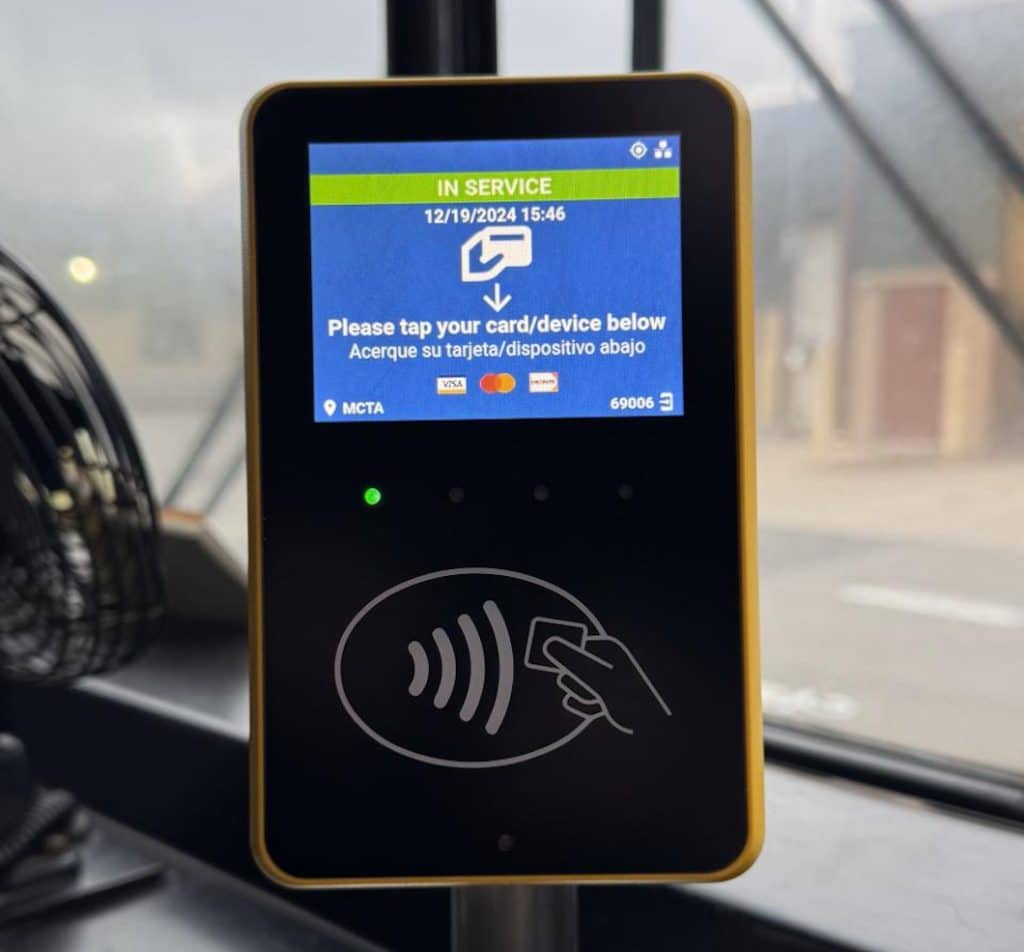
A small U.S. transit agency in northeastern Pennsylvania has launched open-loop payments, with plans to shut down its closed-loop card program, which is used for more than half of its rides but which would have required a major overhaul.
The agency, the Monroe County Transportation Authority, or MCTA, which delivers
Dutch Transport Agencies Set New Date for Turning Off 20-year-Old Closed-Loop Card Program–in Two Years; Will They Make It?
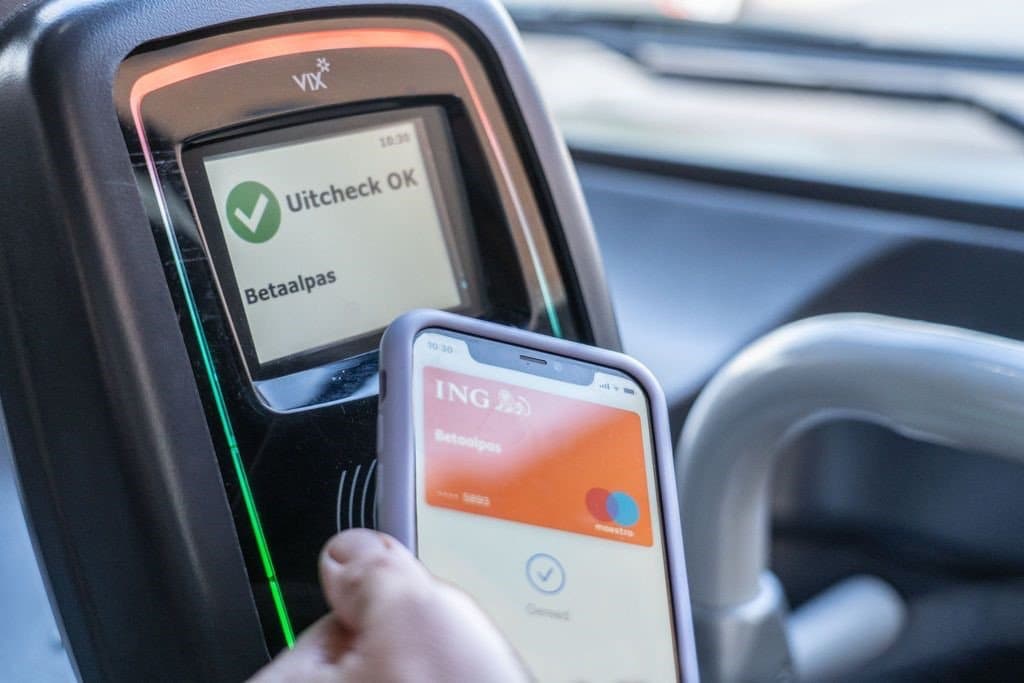
Transport agencies in the Netherlands, the first country of any size to accept open-loop fare payments nationally, are having a more difficult time with a complementary piece of their new system–shutting down their 20-year-old closed-loop OV-chipcard.
The group of Dutch transport agencies coordinating both the open- and closed-loop rollouts recently said it expects to finish the migration of a new “OV-pas” closed-loop card by the end of 2026. That means all bus, tram, metro and ferry operators in the country would stop accepting the aging but still popular OV-chipcard (OV-chipkaart in Dutch) by Jan. 1, 2027.
U.S. Agency SEPTA was to Vote Today on Cubic Contract Award before Canceling Agenda Item–was Rival Vendor Conduent Involved?
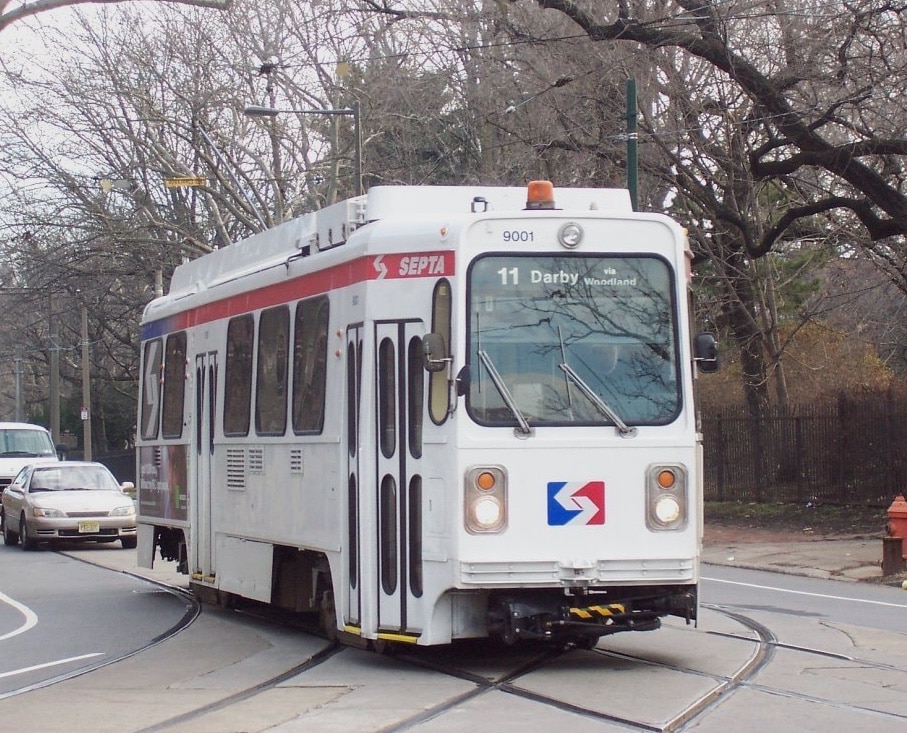
After months of delay, the board vote on a much-anticipated award of a contract for the Key 2.0 fare system by Philadelphia transit agency SEPTA was scheduled for today. The agency staff has recommended that Cubic Transportation Systems be hired for the $211 million project.
Then SEPTA abruptly pulled the agenda item late last week, with an agency spokesman telling Mobility Payments only that,
Special Report: Masabi and Cubic Seek to Sign Up Transit Agencies in North America with Group Contracts; In-Depth Look at NEORide Deal
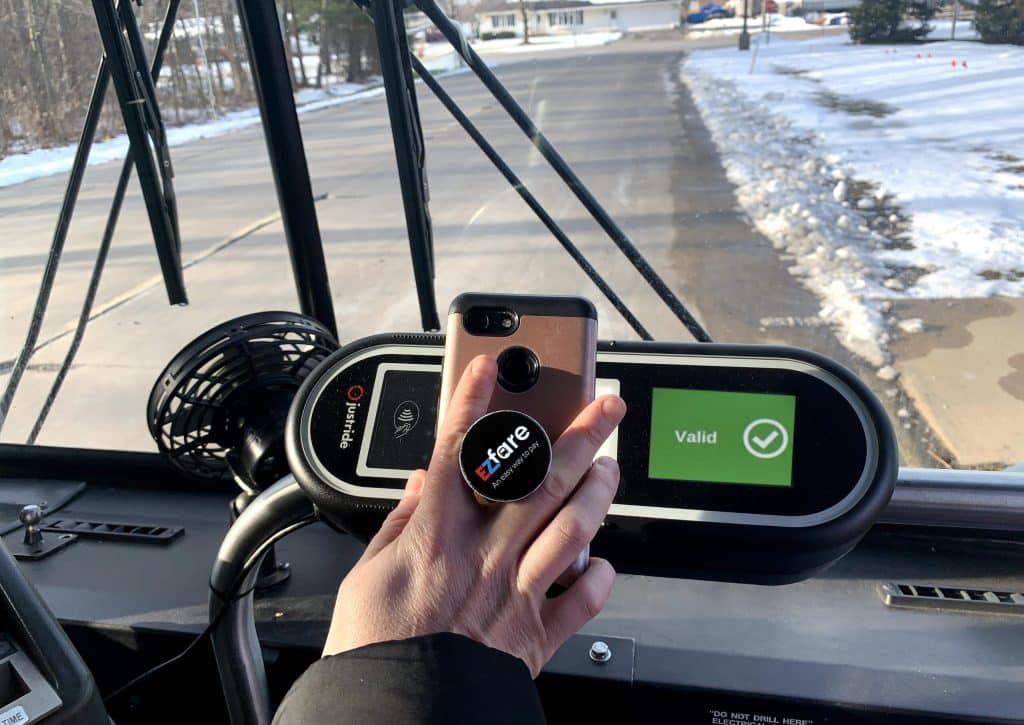
The largest group fare contract of its kind in the U.S. will become at least a little bit bigger in 2025, when the NEORide council of governments says it will add five to six more transit agencies to the 15 agencies now live with its EZfare ticketing service across four states, Mobility Payments has learned.
NEORide’s ticketing vendor, UK-based Masabi, and its chief rival for software-as-a-service ticketing projects in North America, Cubic Transportation Systems and its Umo platform, are promoting the idea of regional fare projects.
To be sure, regional and nationwide fare-system procurements have been a growing trend for years globally, including those in Ireland, New Zealand and the Netherlands. These are mainly system integrator-led projects, however. In car-dominant North America, the early regional projects are using SaaS platforms and are targeting smaller transit agencies.