Tip Sheet: Cubic Believed to be Sole Vendor in Running for Sydney Deal; TfL: Revenue-Collection Procurement Not Over Yet; Madrid Seeks ABT System

Latest Intelligence on Sydney, London and Madrid procurements. Have a tip for the Tip Sheet? Write to contact@mobility-payments.com
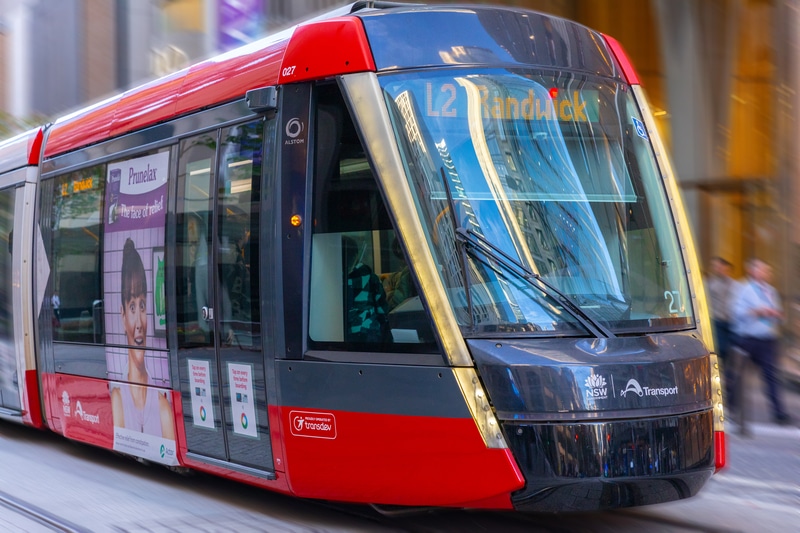
It’s looking more and more likely that Cubic Transportation Systems is the sole supplier still in the running for Transport for New South Wales’ back-office contract, thanks, at least in part, to concessions
Review of New Zealand National Fare Project Predicts More ‘Significant Delays’ and Likely Cost Overruns; Government in ‘Commercial’ Talks with Cubic, Others

An independent review of New Zealand’s national fare-system project concluded there is a “very high likelihood of further significant delays” to the project and expressed doubts that vendors and other parties would be able to deliver the full project “within the committed contract value.”
When asked whether national transport officials are pursuing any claims against Cubic Transportation Systems for delays in the National Ticketing Solution project, a spokesman for the New Zealand Transport Agency told Mobility Payments today that officials were
Transit Agency Serving California Capital Introduces SaaS-Based Fare System; Plans to Replace Existing Closed-Loop Card and App

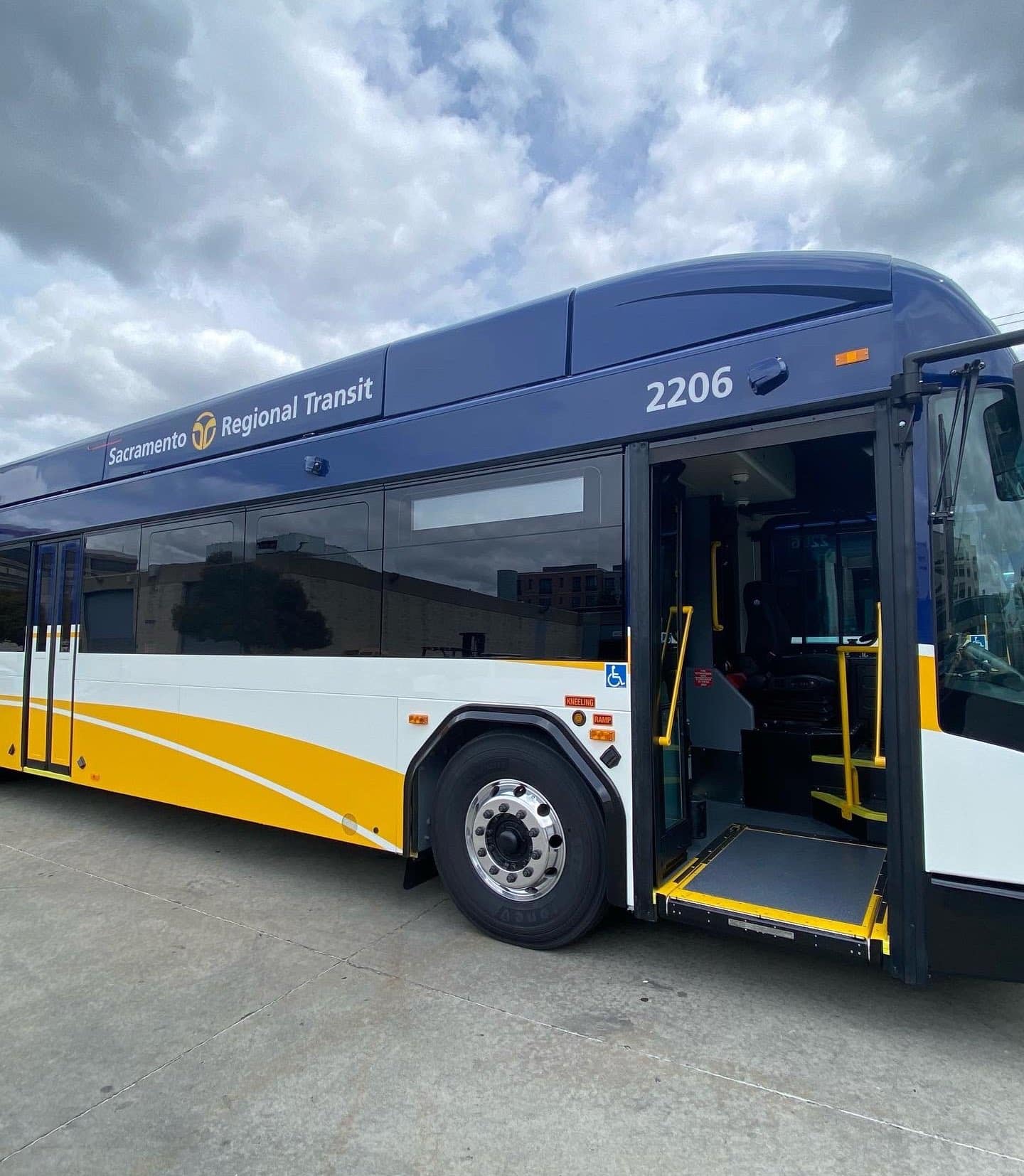
The Sacramento Regional Transit District has launched the first phase of a new ticketing service from UK-based Masabi, with plans calling for the system to replace the agency’s existing closed-loop card and its current mobile app from vendors INIT and Siemens Mobility, respectively.
SacRT launched the Transit Connect app on agency buses and
One Year On: Denmark’s Bold Mobile-First Strategy has Reached Nearly 50% Adoption; Getting the Rest Could be More Difficult

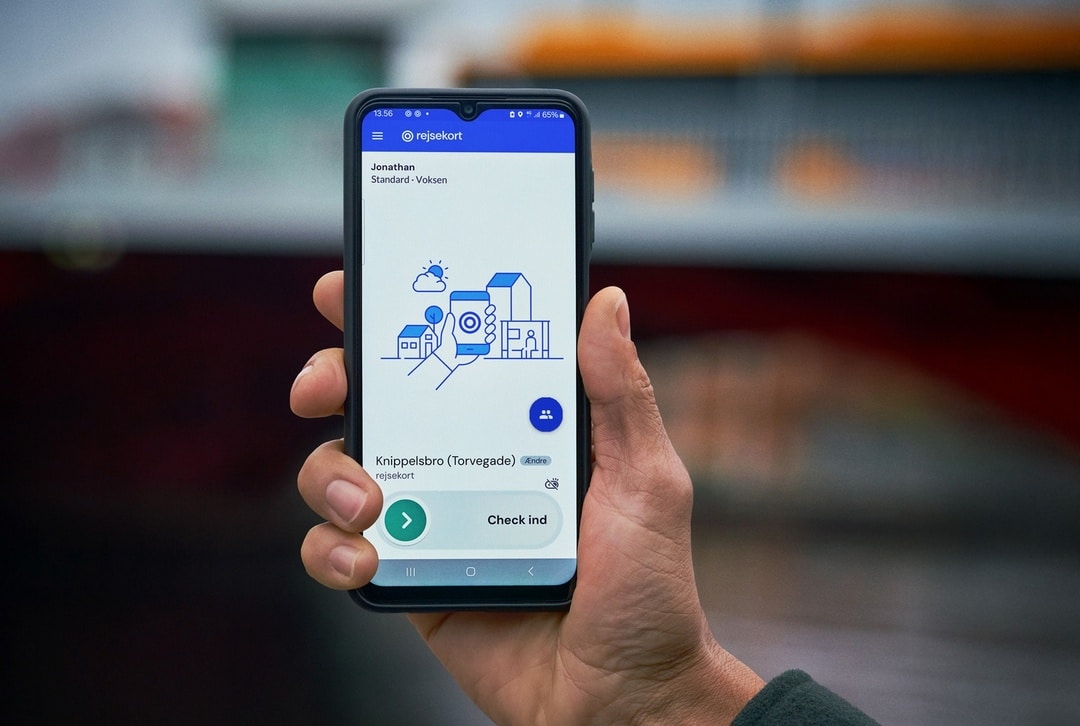
Rejsekort & Rejseplan, Denmark’s national ticketing agency owned by the country’s public transport operators, launched its Rejsekort as an app one year ago this month.
The launch of the pay-as-you-go, GPS-enabled app is noteworthy. It's believed to be the first and still the only time a country has embarked on a mobile-first strategy for public transport payments and attempted to replace a much-used closed-loop fare card with a mobile app.
Records of journeys over the past year (see table and charts below), show project backers are making substantial progress.
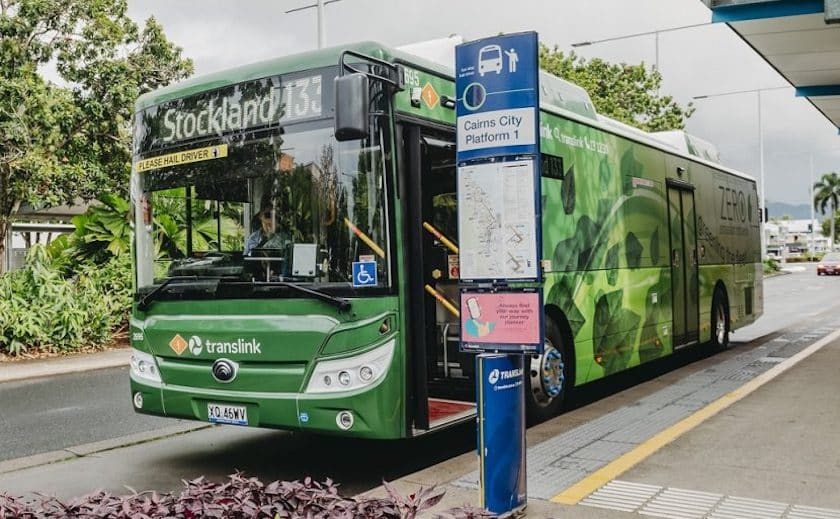
Queensland Cites Cubic Delays, 50-Cent Fares, as Reasons for Changing Smart Ticketing Contract

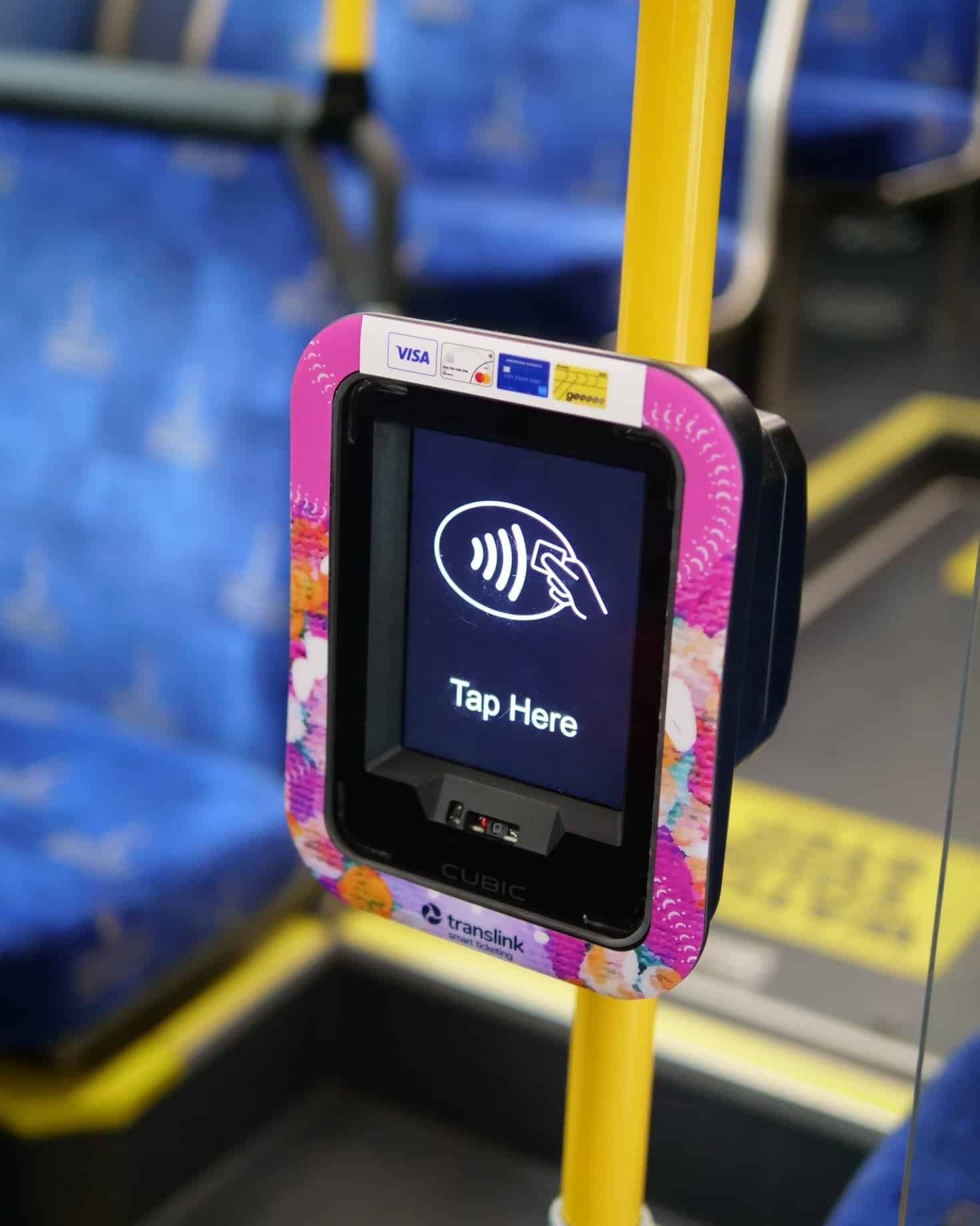
he Queensland government in Australia confirmed that it pulled regional bus operators out of its Smart Ticketing project–at least in part– because of delays in the fare-system rollout by Cubic Transportation Systems, according to the text of a document seen by Mobility Payments.
The Queensland Department of Transport and Main Roads had told Mobility Payments earlier this month that it had “reallocated funding” for regional bus operators to “choose their own ticketing solution”– a move that appears to reduce the size of Cubic’s contract with the government. But the agency didn’t specify at the time exactly why it was making the move.
Updated: Cubic Short-Listed for Must-Win Sydney Contract; Hitachi Rail, Others, Believed Out

Transport for New South Wales in Sydney has short-listed incumbent supplier Cubic Transportation Systems for its new back-office contract along with a second vendor, while Hitachi Rail and a few other suppliers are believed to have missed the cut, Mobility Payments has learned.
The fact that Cubic likely lost its valuable revenue-collection contract with Transport for London (Cubic filed suit last month to appeal TfL’s decision to award the contract to rival vendor Indra Systems), makes it even more critical for Cubic to win in Sydney.
Queensland Government Pulls Regional Bus Operators out of ‘Smart Ticketing’ Fare Project–a Loss for Cubic

The Queensland Department of Transport and Main Roads in Australia has confirmed to Mobility Payments it has “reallocated funding” for regional bus operators to “choose their own ticketing solution”– a move that appears to reduce the size of Cubic Transportation Systems’ contract with the government.
The Smart Ticketing project has been beset by delays, as well as reported budget overruns. Cubic won an AU$371 million (US$245.2 million) contract to provide a new fare system, including open-loop payments and account-based ticketing, in Australia’s third-largest state, Queensland, in 2018.
Indra Executive Says Vendor would Not have Relied Only on Price to Beat Cubic in London

Spain-based Indra Systems suggested that it beat out incumbent Cubic Transportation Systems for the award of London’s integrated revenue-collection contract because of a combination of factors, not only price, an Indra executive told Mobility Payments.
A contract signing for Indra, however, depends on whether Cubic is successful in its legal challenge to the contract award. Cubic filed the challenge Aug. 8, as Mobility Payments reported. Transport for London’s finance committee awarded the contract July 14, according to TfL officials, who have not revealed which vendor won.
The Indra executive, who could not be named because he was not authorized to speak about the London procurement, spoke with Mobility Payments in recent weeks. At times his comments drifted into the hypothetical. Most of the time they were squarely focused on why Indra would have beaten Cubic.
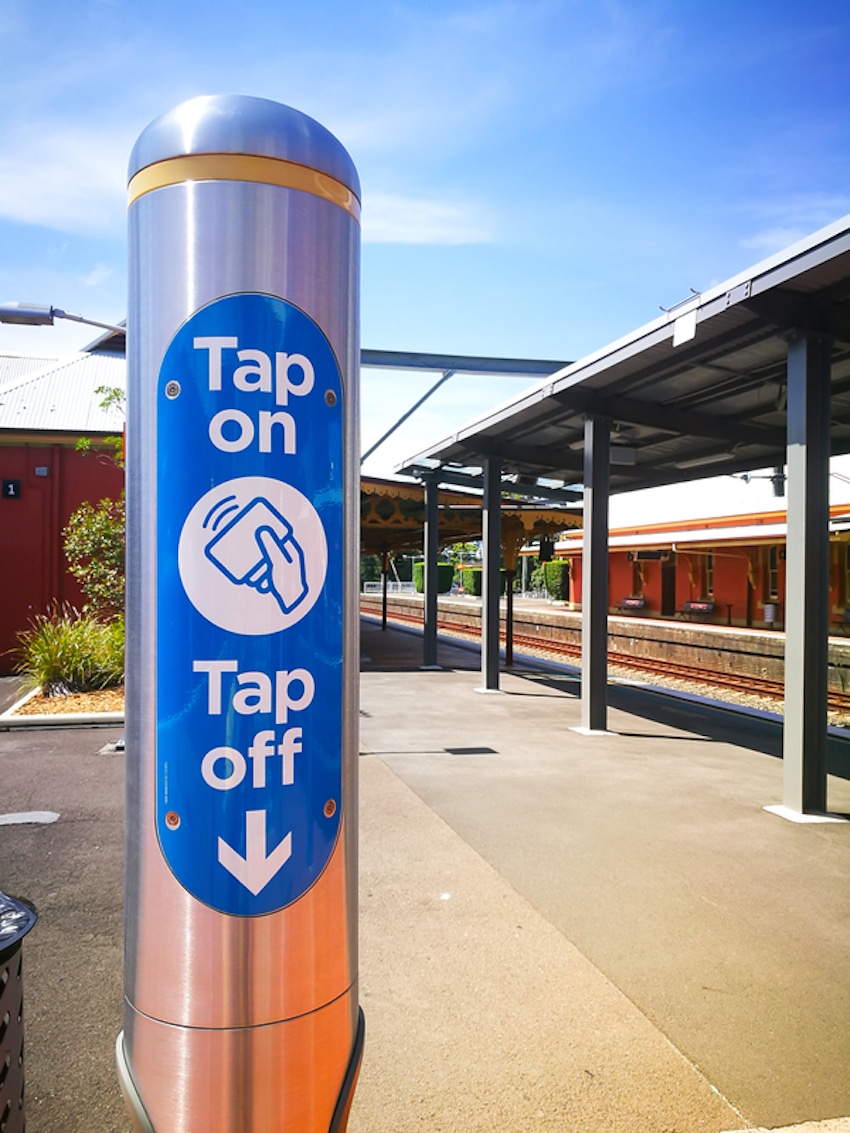
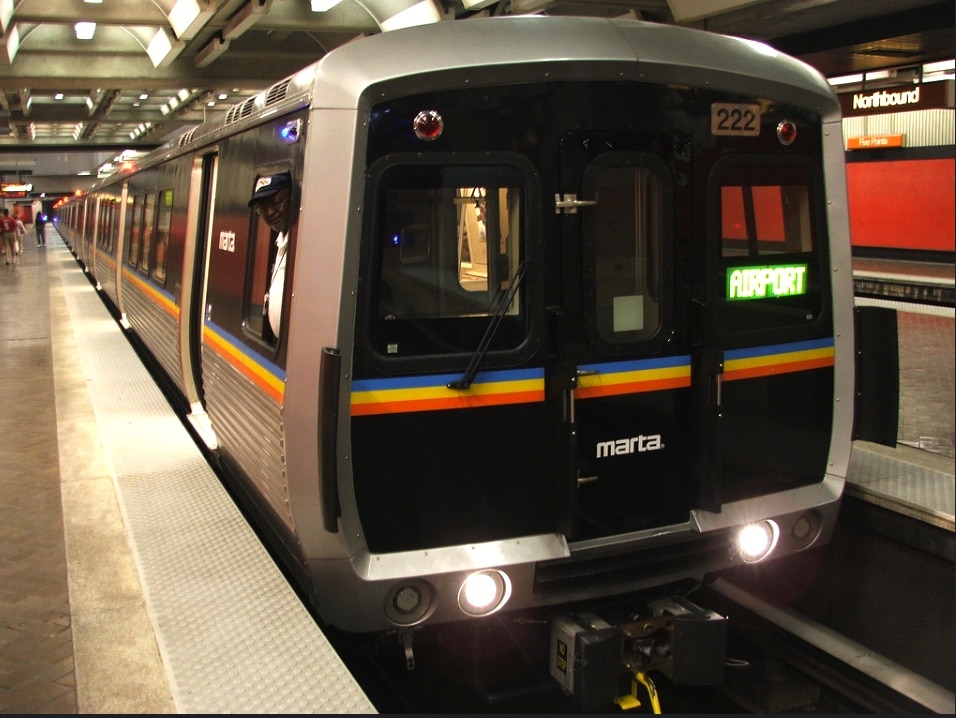
Atlanta Transit Agency Wants to Introduce Open-Loop Payments in Time for World Cup Next Year; will Vendor INIT be Ready?

The Metropolitan Atlanta Rapid Transit Authority, or MARTA, said it plans to launch open-loop payments in time for the FIFA World Cup matches the city will host next year–though some have their doubts the agency will hit that target.
The now $300 million-plus project will introduce open-loop payments and a revamped version of the agency’s closed-loop Breeze card as part of an account-based ticketing system for Atlanta’s four-line subway, 500-plus fixed-route buses and light-rail streetcar. The work includes replacing 400 fare gates and other equipment.
Las Vegas Transit Agency Thought Tourists would Use Open-Loop Payments More than Residents; It was Wrong

When RTC of Southern Nevada, which serves Las Vegas and the surrounding region, launched open-loop payments in December 2023, agency officials thought most users would come from among the ranks of the mass of tourists that descend on the gambling and entertainment mecca every year.
But since enabling users to tap to pay with credit and debit cards and mobile wallets, the agency is seeing the opposite. Most users–around 80%–are residents, while tourists and other visitors make up the rest.