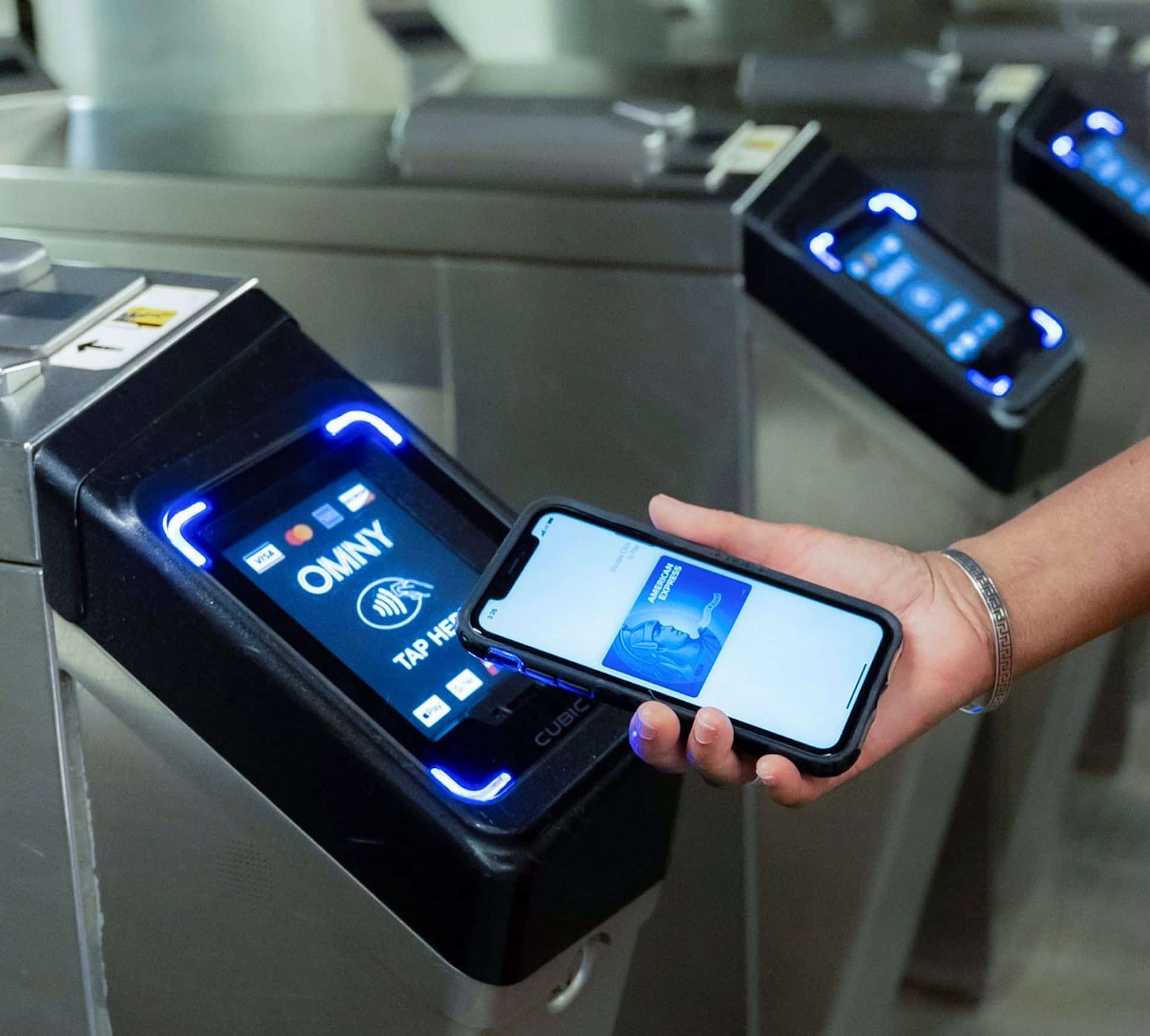
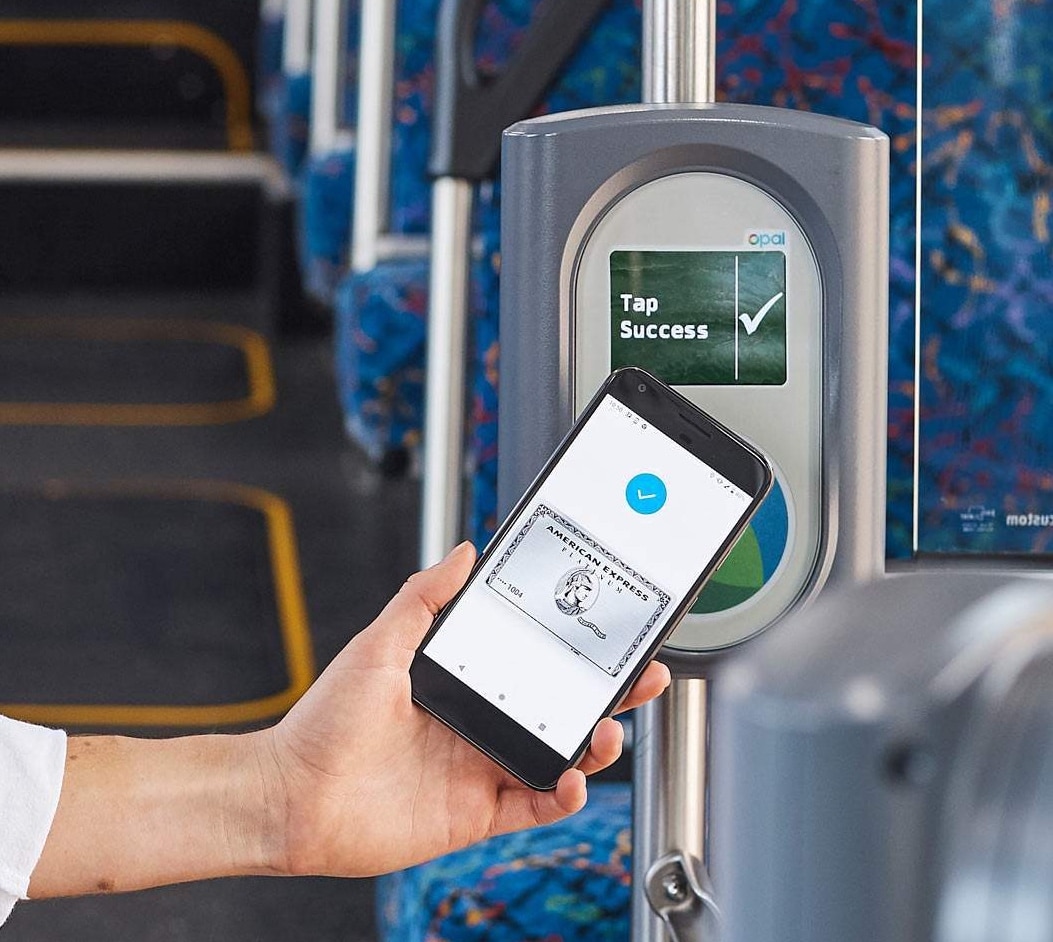
Tip Sheet: Sydney’s Transport for NSW Says Procurement of Opal Next-Gen System Still on Track; Also, Why Kurt Brissett Likely Left the Agency

Also in this article: White-Label Technology Gets Slight Boost from Dutch Project; New Zealand Rollout Delayed Again; Agency Said to be Unhappy with Cubic’s Progress. Please write to contact@mobility-payments.com with tips.
In-Depth: Projects to Watch in California for Concessionary Discounts with Open Loop; Will More Riders Tap Bank Cards to Get Their Reduced Fares?

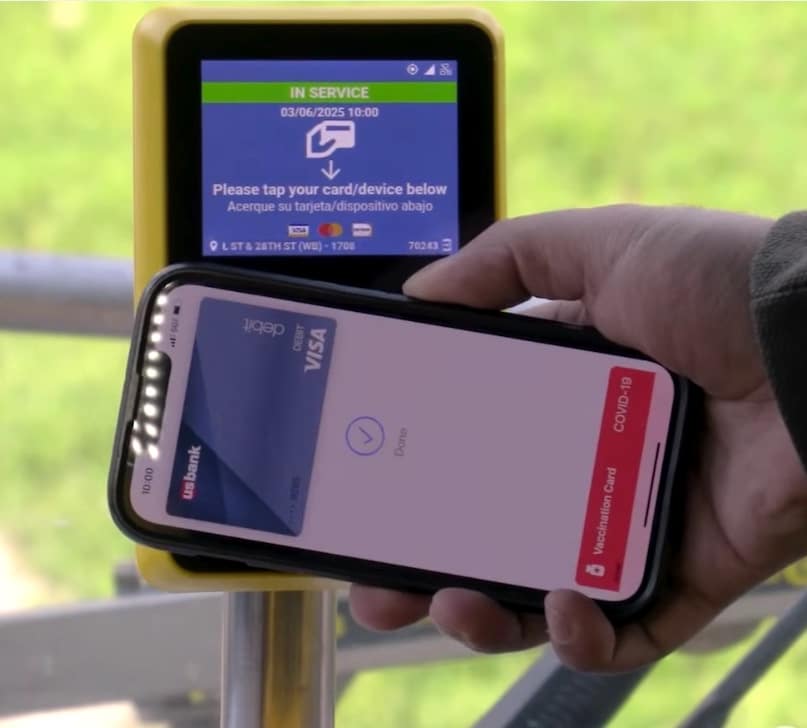
The Sacramento Regional Transit District in California, which launched open-loop payments earlier this month, is enabling concessionary discounts with credit and debit cards for three categories of riders–and at least for now, cuts by the Trump administration have not derailed the program.
The transit agency, known as SacRT, is the largest of four agencies in the state using a platform from the U.S. federal government, Login.gov, to deliver concessionary discounts to seniors, military veterans and others with open loop. Unlike platforms used by most other agencies to enroll customers for concessions, Login.gov can enable customers to fully enroll online. That avoids trips to transit agency service centers. And Login.gov can support such non-senior customer categories as veterans.
Another U.S. agency, in Florida, plans to use the Login.gov for concessions linked to credit, debit and mobile devices, as well, Mobility Payments has learned. (See below.)
Vendor for Denmark’s High-Profile Mobile-Ticketing Service Contends Contract Loss in Switzerland Won’t Compromise Company ‘Stability’ or ‘Strategy’

Fairtiq, the technology supplier behind Denmark’s much-watched national ticketing app, told Mobility Payments this week that the loss of a major contract for a similar service it’s enabled for years in Switzerland, while “naturally a challenge,” would not “compromise our operational stability or long-term strategy.”
Switzerland-based Fairtiq has long touted its contract with Swiss Federal Railways, or SBB, providing the white-label EasyRide feature in the much-used SBB Mobile app.
Exclusive: U.S. Tariffs Will Cause Pain for Fare Vendors and Agencies, Though They May Not Spur More Manufacturing in U.S.

High tariffs announced by U.S. President Donald Trump last week likely will hike costs for fare-system vendors, which are expected to pass on at least part of the increases to transit agencies, fare industry veterans told Mobility Payments.
Most industry observers say it’s too early to predict the scale of the impact, with many apparently holding out hope that Trump will change his mind and lower the tariffs, as stock markets reel and a number of countries seek to negotiate. Update: Trump abruptly paused most of the tariff hikes for 90 days on Wednesday, except for the levies on China. End update.
But while neither vendors nor agencies are expected to take huge hits from the tariffs, the pain could be significant.
Cubic to Launch Open-Payment Overlay Product, Introduces New Pricing Strategy, as It Seeks to Revamp Umo Offer

Cubic Transportation Systems plans to launch its “open-payment overlay” product within 90 days, seeking to give transit agencies the potential to launch open-loop payments with low upfront costs, like the Washington (D.C.) Metropolitan Area Transit Authority is doing with another vendor, Mobility Payments has learned.
Cubic has also introduced lump-sum pricing for new Umo ticketing contracts, deeming the old pricing strategy unsustainable.
UK Government Plans to Trial GPS Mobile Ticketing on Rail Despite Expansion of Open Loop

While mobile ticketing using GPS technology is advancing in such countries as Denmark, Switzerland and, to a lesser extent, elsewhere in Western Europe, it hasn’t yet been rolled out in the UK.
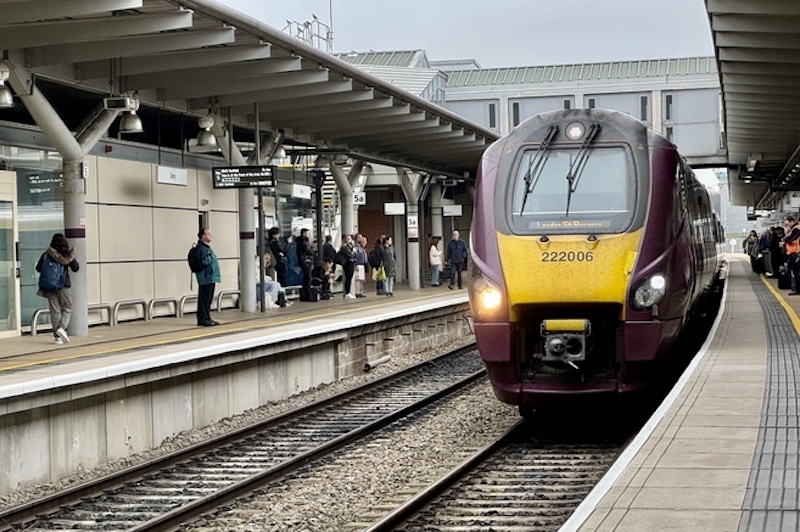
British transport authorities and operators have instead backed open-loop payments and pay-as-you-go ticketing for pretty much all transport modes, including–most recently–ticketing for intercity and commuter rail.
Transit App Introduces First-of-Its-Kind Feature Telling Users Where They Can Pay with Open Loop

The Transit trip-planning app has introduced a feature that tells users whether the transit agency they’re looking to ride accepts open-loop payments.
The first-of-its-kind feature kicked off with a list of more than 50 transit authorities, operators and groups globally in cities where the Transit app is present. That includes in North America, Transit’s homebase; as well as Europe and Australia and New Zealand. (See table with list provided to Mobility Payments)
To be sure, the list represents a significant undercount of the transit agencies that accept open loop globally, even among the 800-plus cities where the Transit app operates. But Transit says the list is a good start.
Scheidt & Bachmann Believed to have Lost U.S. Contract, though Few Details Leak about Likely Termination of Deal

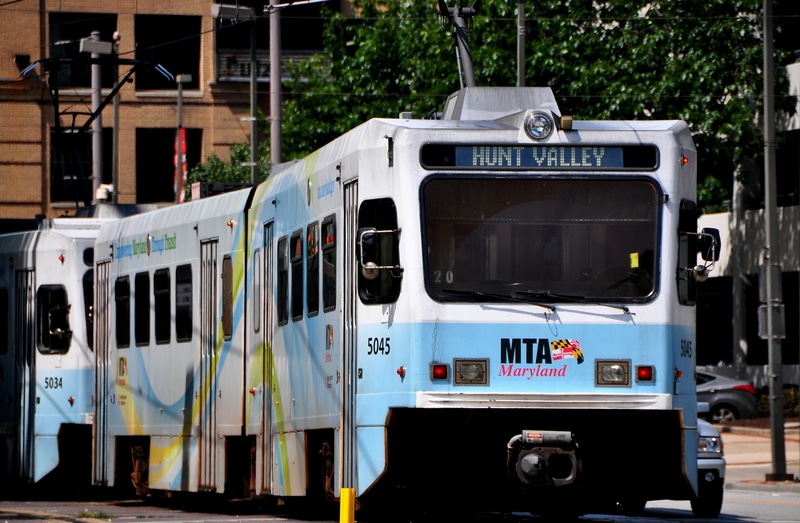
Vendor Scheidt & Bachmann is believed to have lost a major contract it was awarded in 2021 to overhaul the fare system of Baltimore and the surrounding metropolitan area by the U.S. state of Maryland, Mobility Payments has learned.
Multiple sources told Mobility Payments the state terminated the contract, which was expected to be worth $63.6 million over 14 years. Neither the Baltimore-based Maryland Transit Administration, which is part of the state Department of Transportation, nor Germany-based Scheidt & Bachmann’s U.S. subsidiary, confirmed the cancellation of the contract. They also did not respond to multiple requests for comment.
In-Depth: Cubic Lays Out Arguments for Suing LA Metro in Case of ‘Secret’ Pricing Data

Cubic Transportation Systems contends in recent court filings that it would “surely lose future contracts” to competitors if Los Angeles Metro follows through with its purported plans to release what Cubic argues is a trove of confidential cost and pricing information.
Cubic made the arguments in a lawsuit filed Jan. 28 in California Superior Court against LA Metro, seeking to block the agency from disclosing certain information related to its $66.4 million sole-source contract approved last year by the agency.
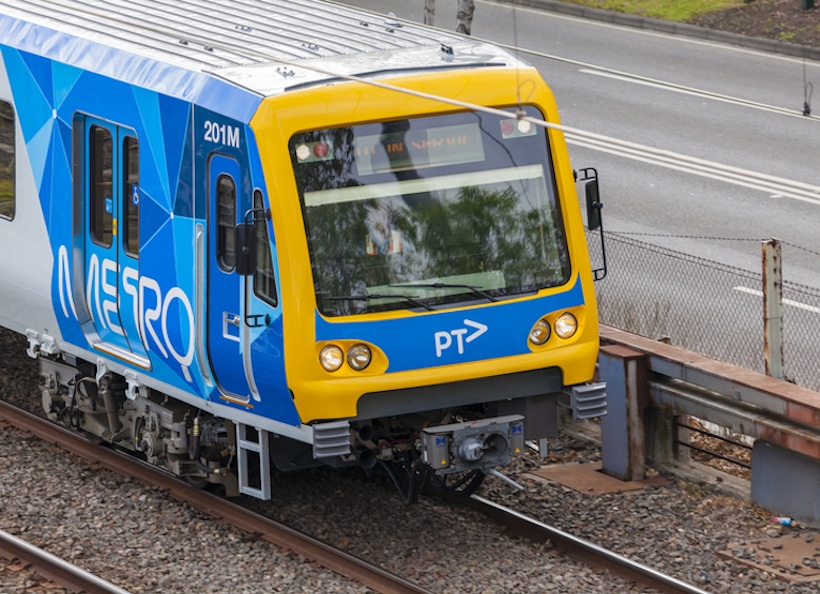
Conduent Says Its Melbourne Fare Project is ‘Progressing Well’; That’s Not Exactly the Consensus Opinion in Victoria

The planned fare system in Melbourne and Victoria state in Australia is believed to be at least two years behind schedule, a key subcontractor has left the job and Victoria state politicians are sweating their chances in the next election if the project becomes a campaign issue, according to sources.
But you wouldn’t know there were any current problems with the project after listening yesterday to top executives with Conduent, the prime contractor on the 15-year, AU$1.7 billion (US$1.1 billion) deal. The executives spoke during a conference call with analysts after release of the company’s fourth quarter and year-end results.