Paris Transport Authority Still Insists Costs Too High to Support Open Loop, but Resistance Appears to be Falling

Claude Camilli, a longtime ticketing official with Paris transport authority, Île-de-France Mobilités, when asked last week why the authority doesn’t support open-loop payments, responded that costs are too high. He added that the authority had decided a better option for customers was for IDFM to expand use of closed-loop payments with smartphones, he told Mobility Payments.

It’s a common refrain by transport-ticketing officials in Paris, which remains one of the few European capitals that has declined to launch open loop as a payments option.

Membership Required

You must be a member to access this content.

View Membership Levels

Already a member? Log in here

Barcelona Transport Agency Sets Date for Launch of Open-Loop Payments–Two Years Late

Barcelona Bus

The Autoritat del Transport Metropolità in Barcelona, known as ATM, confirmed to Mobility Payments plans to finally launch open-loop payments, in January 2026–which, if the authority hits that date, would be a little more than two years behind the original ambitious project schedule.

But while the hardware is in place, ATM appears to still be procuring a vendor to handle

Membership Required

You must be a member to access this content.

View Membership Levels

Already a member? Log in here

New Zealand Taps CTO of Country’s Largest Transport Agency to Try to Get National Ticketing Project Back on Track

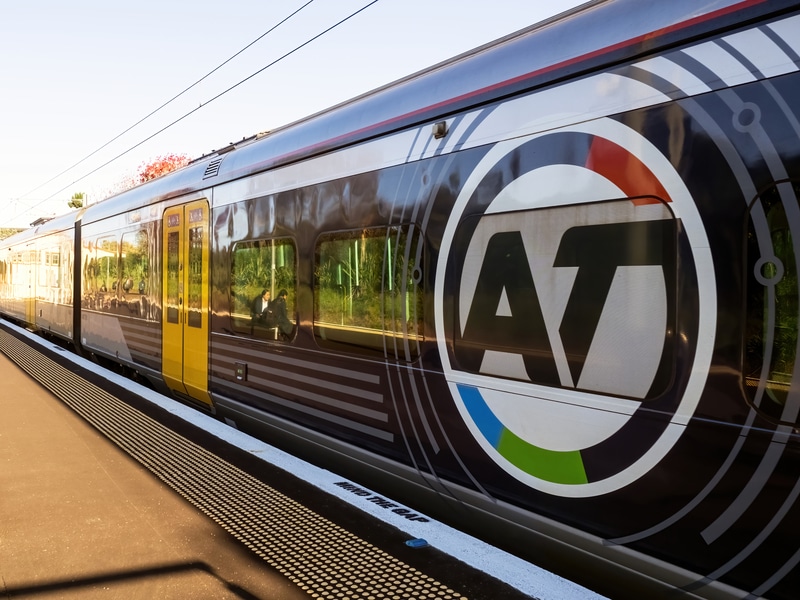
The New Zealand government has named the chief technology officer of the country’s largest transport agency, Auckland Transport, to head up its National Ticketing Solution, hoping to get the troubled project back on track, Mobility Payments has learned.

The new pick,

Membership Required

You must be a member to access this content.

View Membership Levels

Already a member? Log in here

New Zealand Government Believed to be Replacing Head of National Ticketing Program Amid Concerns Over Project Delays

The New Zealand government is believed to have replaced the program chief of its planned nationwide ticketing system as concerns escalate among the country’s transport officials over delays in the 15-year, NZ$1.39 billion (US$840.4 million) project, Mobility Payments has learned.

The believed dismissal of the program director and appointment of a new chief comes amid reports that a governance group that includes national and local officials has launched an independent review into what has gone wrong with the rollout.

Membership Required

You must be a member to access this content.

View Membership Levels

Already a member? Log in here

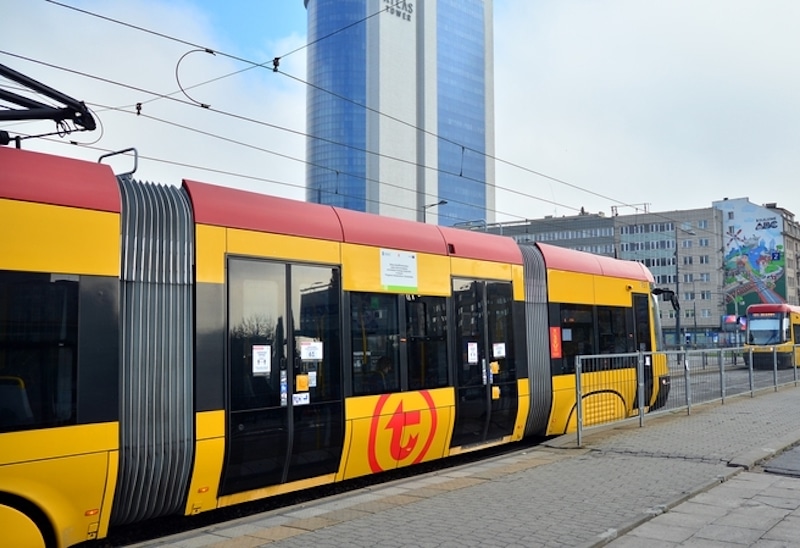
‘What went Wrong?’: Why Most Vendors were No-Shows When It Came Time to Bid on Warsaw’s Fare Project

Warsaw public transport authority ZTM has yet to award a contract to the lone vendor that bid on its tender request, in what industry suppliers and market observers have said is a flawed procurement model.

A ZTM spokesman told Mobility Payments it is still “analyzing” the sole offer to build and operate its planned fare system that asks the winning vendor to front the costs for more than 10,000 new validators, develop a back office and pay for other capital expenditures.

Membership Required

You must be a member to access this content.

View Membership Levels

Already a member? Log in here

New Zealand’s National Ticketing Project Delayed Further; Could be Headed for Major Reset

The New Zealand Transport Agency again pushed back the launch of its planned nationwide ticketing system, and some industry observers believe that the government will soon agree to a major reset of the project timelines and deliverables, if it hasn’t already.

The national agency last week announced that the project would not even be able to launch in the first small city and town in the Canterbury region, on New Zealand’s South Island, which was to be the first of four “regions” to get the so-called “National Ticketing Solution.”

Membership Required

You must be a member to access this content.

View Membership Levels

Already a member? Log in here

In-Depth: Washington, D.C., Launches Open-Loop Payments on Subway with Overlay Technology; but Transit Agency Incurs Extra Costs

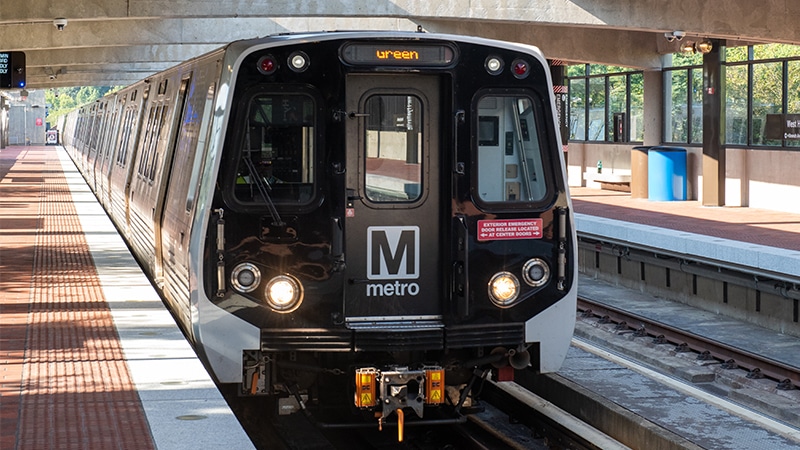
Washington Metro train

The Washington (D.C.) Metropolitan Area Transit Authority launched open-loop payments Wednesday for full fares on its subway system, following a fast-track, five to six-month implementation that met its target of launching on the subway in time for most WorldPride 2025 events being held in the U.S. capital.

The project is noteworthy because it uses an “open-payment overlay” to enable WMATA’s closed-loop terminals to accept credit and debit cards, including in mobile devices. The concept can offer a quick time to market and potentially cut costs, though is not an option for every agency and comes with some drawbacks. And in WMATA’s case, the agency is spending millions more by paying other vendors to help set up the new system, in addition to its main overlay vendor, Littlepay, Mobility Payments has learned (see below).

Membership Required

You must be a member to access this content.

View Membership Levels

Already a member? Log in here

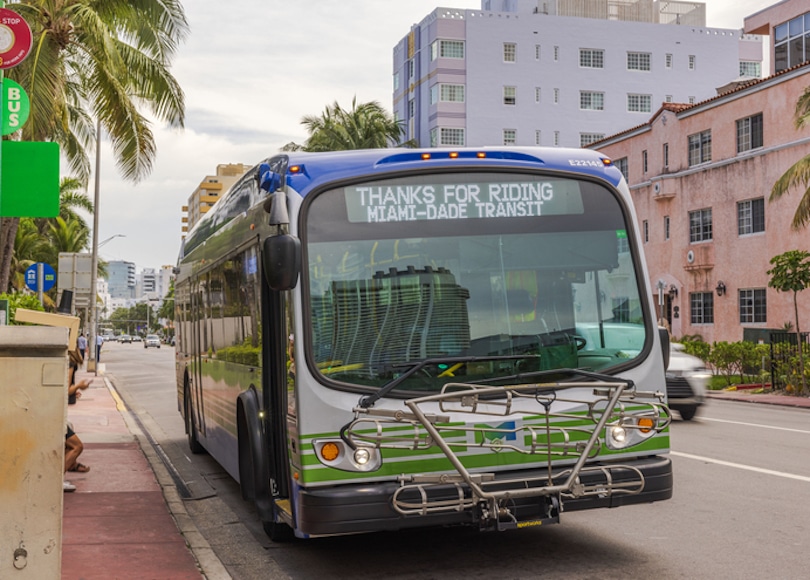
Several Vendors Considering Submitting Bids for Miami’s New Fare-System Back Office

A number of fare-system vendors are weighing bids on Miami-Dade Transit’s planned back office project, Mobility Payments has learned, after county transit officials issued a much-anticipated request for proposal a couple of weeks ago.

The bidders are expected to include the current supplier of the back office and other parts of the existing fare system,

Membership Required

You must be a member to access this content.

View Membership Levels

Already a member? Log in here

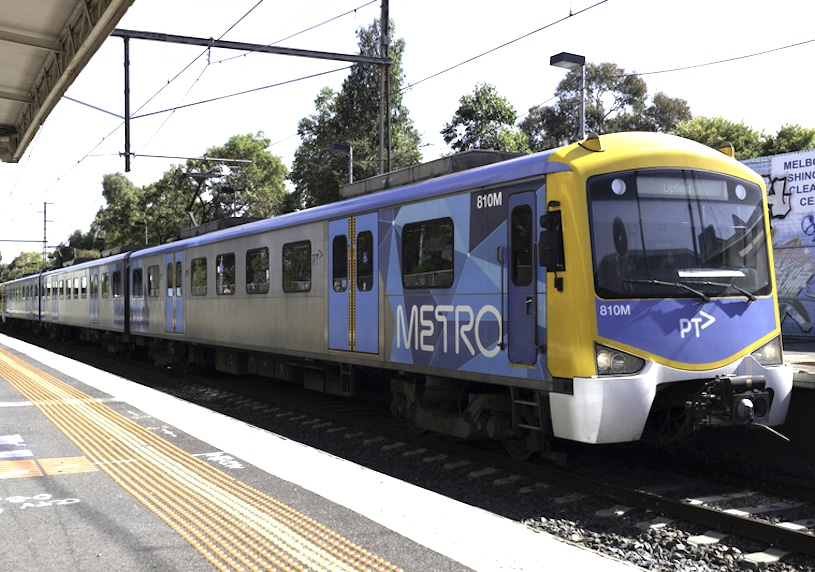
New Budget Estimates and ‘Program Reset’ in Victoria State Confirm Cost Overruns and Substantial Delays in Melbourne Project

Victoria state officials in Melbourne today released new budget figures that appear to show just how far behind schedule and over budget the state’s large fare-system project is today.

The budget papers (download page with project entry below), describe a “program reset,” with the “total estimated investment” needed to complete the project increasing by 25%

Membership Required

You must be a member to access this content.

View Membership Levels

Already a member? Log in here

Procurement Model in Poland Asked Vendors to Front Costs for CapEx in Exchange for Ticketing Revenue; Most Vendors Said, ‘No Thanks’

Transport agency ZTM Warsaw in Poland floated the idea around 18 months ago of taking a CapEx-free approach to procuring its new fare system. It would order 12,000 validators and other capital expenditures, offering to pay vendors fees once ticket revenue was flowing in.

The question was, would vendors go along with the idea, given that they would be taking on more risk and finance costs to implement the new ticketing system, while their compensation could be delayed. The answer now appears to be in:

Membership Required

You must be a member to access this content.

View Membership Levels

Already a member? Log in here