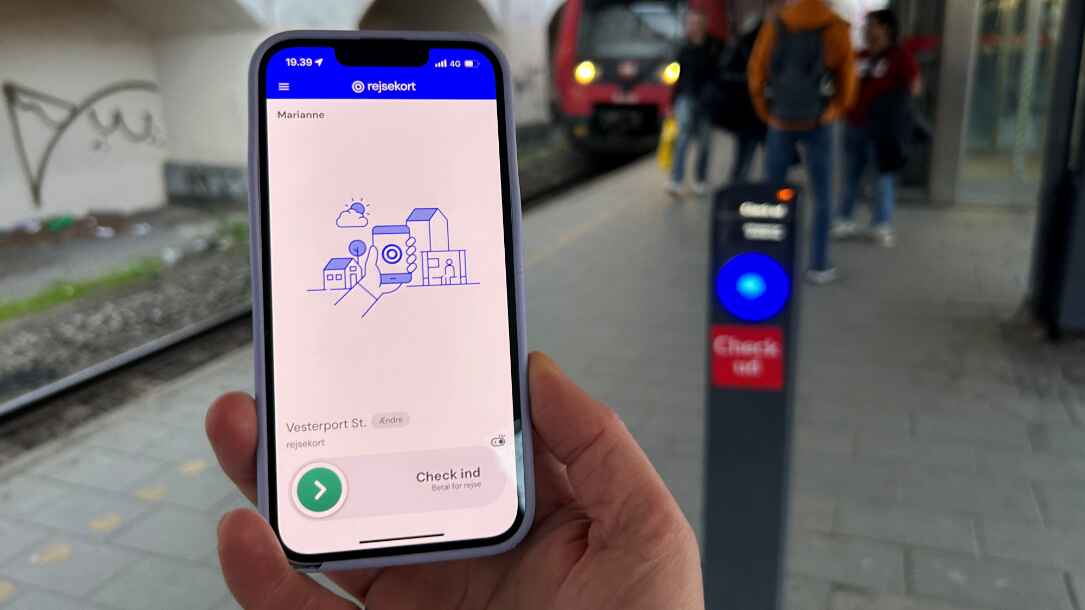
Danish Transport Officials Hire Vendor to Supply Validators for Customers Who Cannot or Will Not Use National Ticketing Apps

Denmark transport-ticketing agency Rejsekort & Rejseplan today announced it had hired a vendor to supply around 9,000 validators to accept a new closed-loop card the agency plans to roll out, with open-loop payments likely coming later.
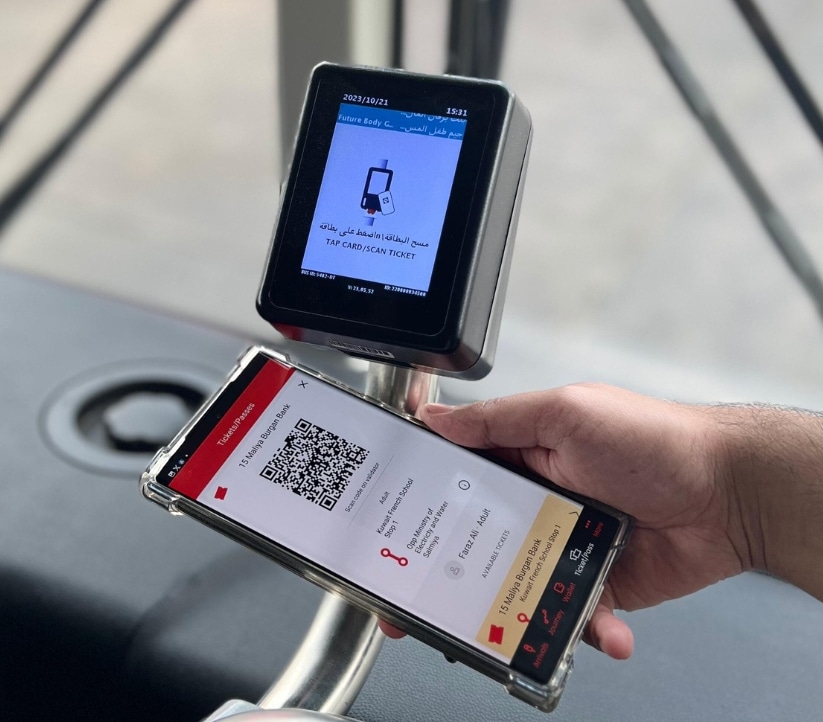
The validators are for riders who cannot or will not use nationwide mobile-ticketing apps that Rejsekort & Rejseplan and major Danish public transport operators have launched–most notably a pay-as-you-go app that uses GPS technology.
Special Report: Masabi and Cubic Seek to Sign Up Transit Agencies in North America with Group Contracts; In-Depth Look at NEORide Deal

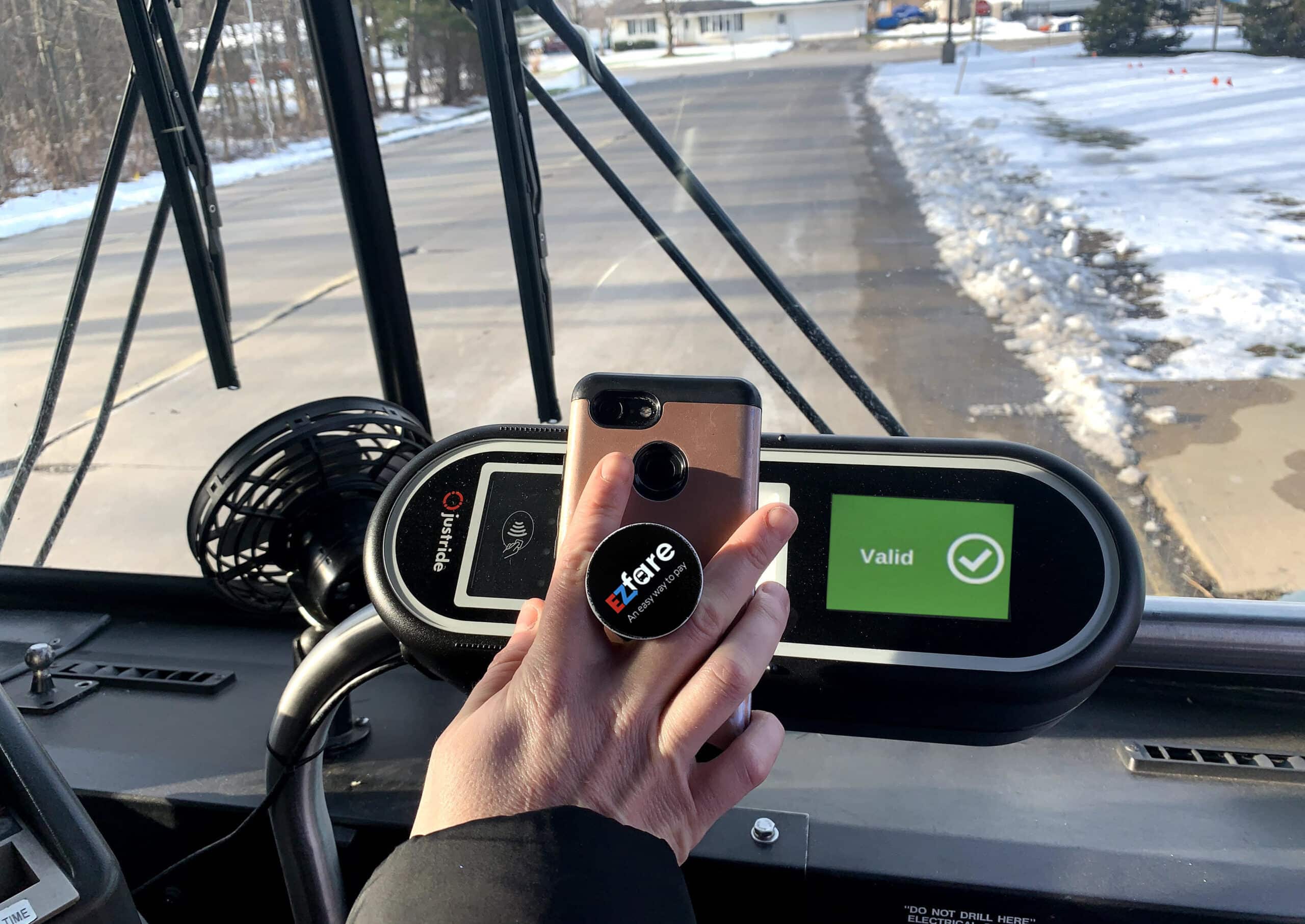
The largest group fare contract of its kind in the U.S. will become at least a little bit bigger in 2025, when the NEORide council of governments says it will add five to six more transit agencies to the 15 agencies now live with its EZfare ticketing service across four states, Mobility Payments has learned.
NEORide’s ticketing vendor, UK-based Masabi, and its chief rival for software-as-a-service ticketing projects in North America, Cubic Transportation Systems and its Umo platform, are promoting the idea of regional fare projects.
To be sure, regional and nationwide fare-system procurements have been a growing trend for years globally, including those in Ireland, New Zealand and the Netherlands. These are mainly system integrator-led projects, however. In car-dominant North America, the early regional projects are using SaaS platforms and are targeting smaller transit agencies.
In-Depth: Agencies See Opportunities–as well as Challenges–in Rolling Out Account-Based Ticketing

Account-based ticketing offers big potential for transit agencies, but also poses challenges, a panel of representatives from agencies in Europe, the Middle East and North America that have rolled out the technology or are in the process of doing so said during a recent panel discussion.
Those challenges can include the need to maintain both the new and old ticketing systems for a “considerable” length of time; the lack of off-the-shelf software
U.S. Transit Agency Releases Cost Analysis for ‘Emergency Procurement,’ Raising More Questions

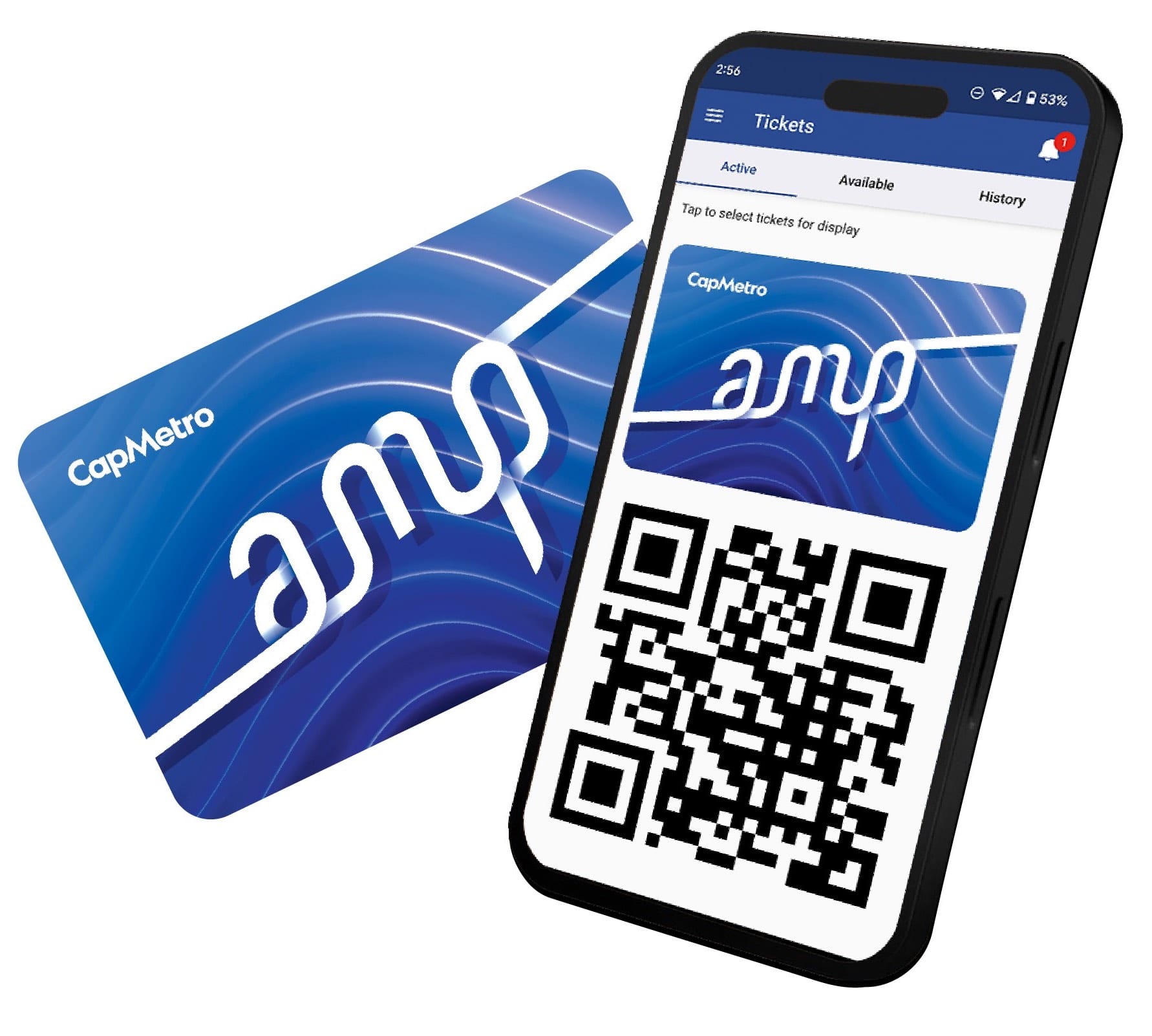
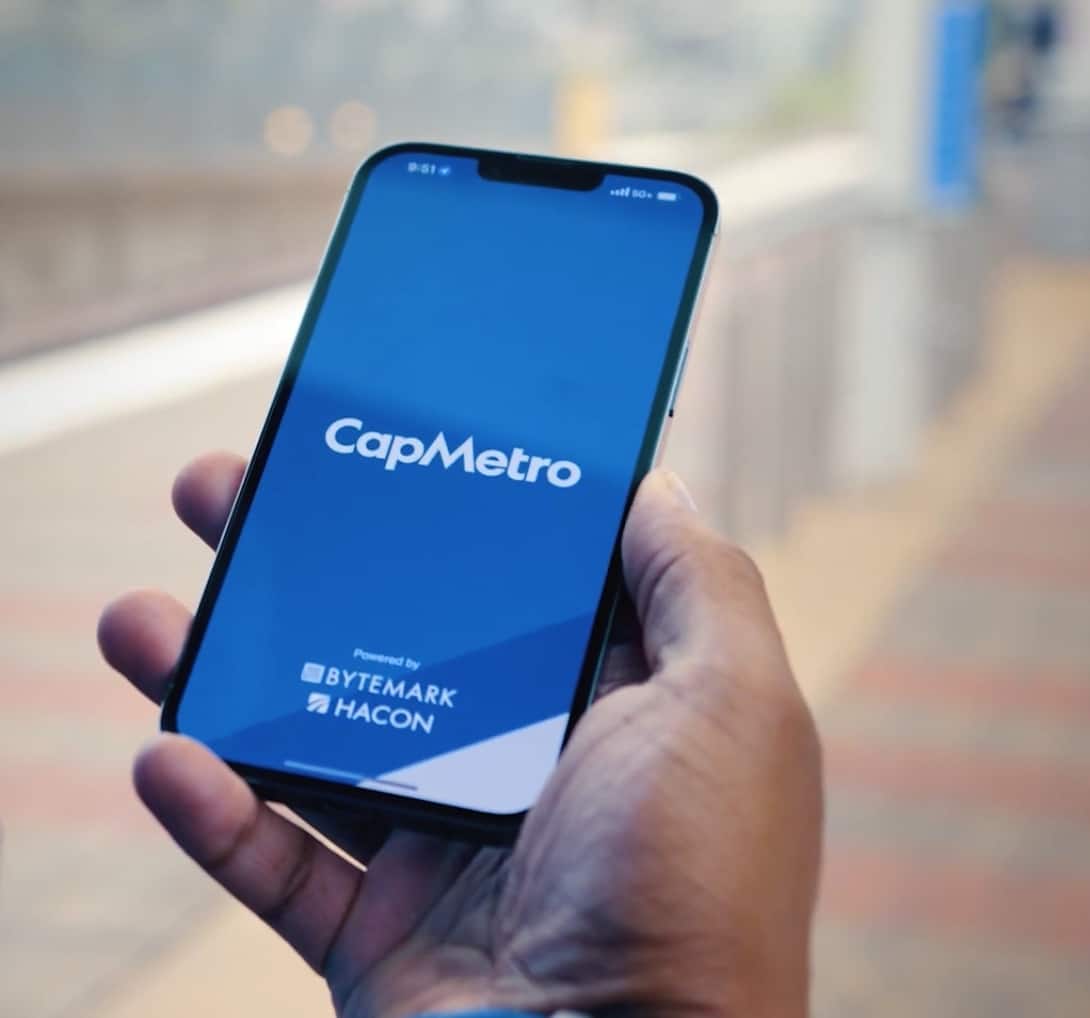
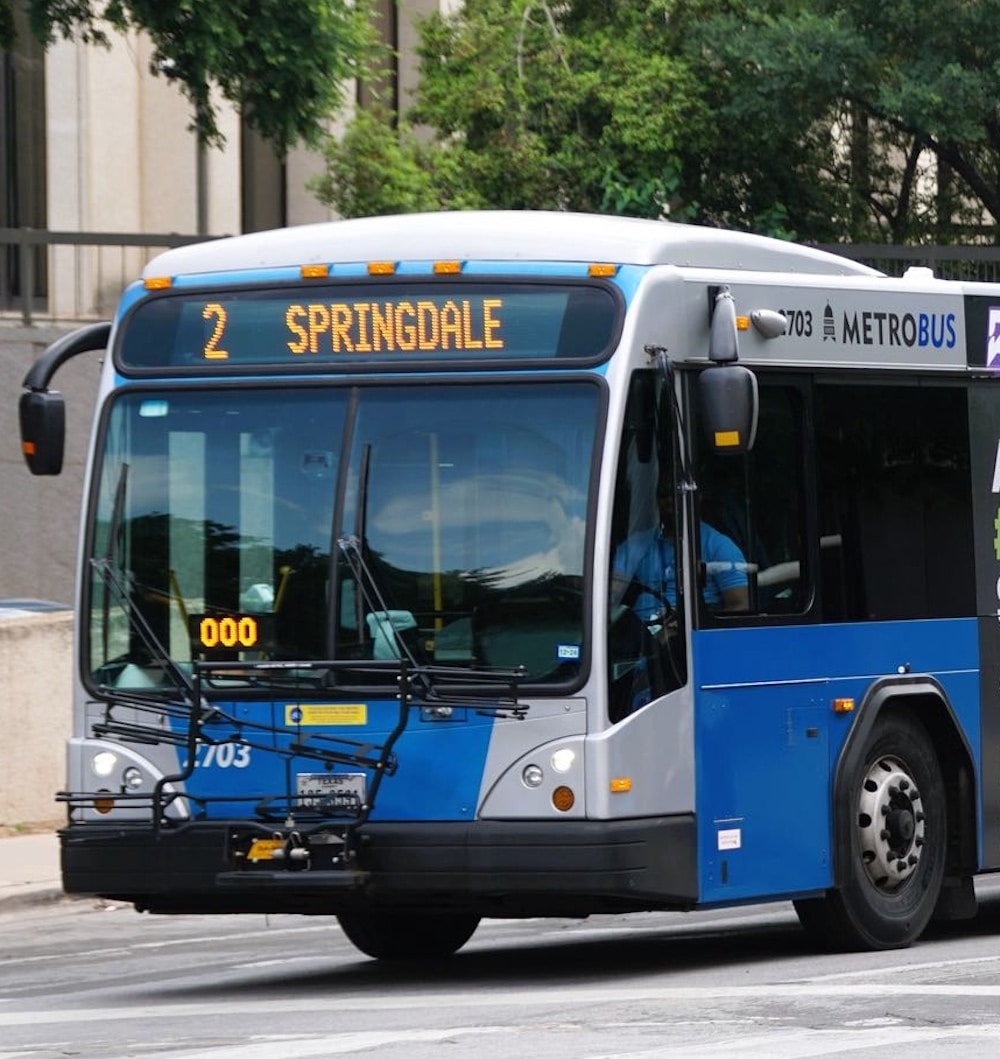
Texas transit agency Capital Metro stated in an “independent cost estimate” that the emergency fare-system replacement it is buying from Cubic Transportation Systems would cost it less than a similar system the agency could procure on the market. It does not, however, say how it arrived at the estimate for the higher-priced fare system.
An eight-page cost analysis and independent cost estimate (download below), obtained by Mobility Payments, stated that Cubic could replace CapMetro’s existing fare system for a total $5.78 million for
U.S. Agency Pulls Back from Going Cashless, Citing Some Rider Complaints

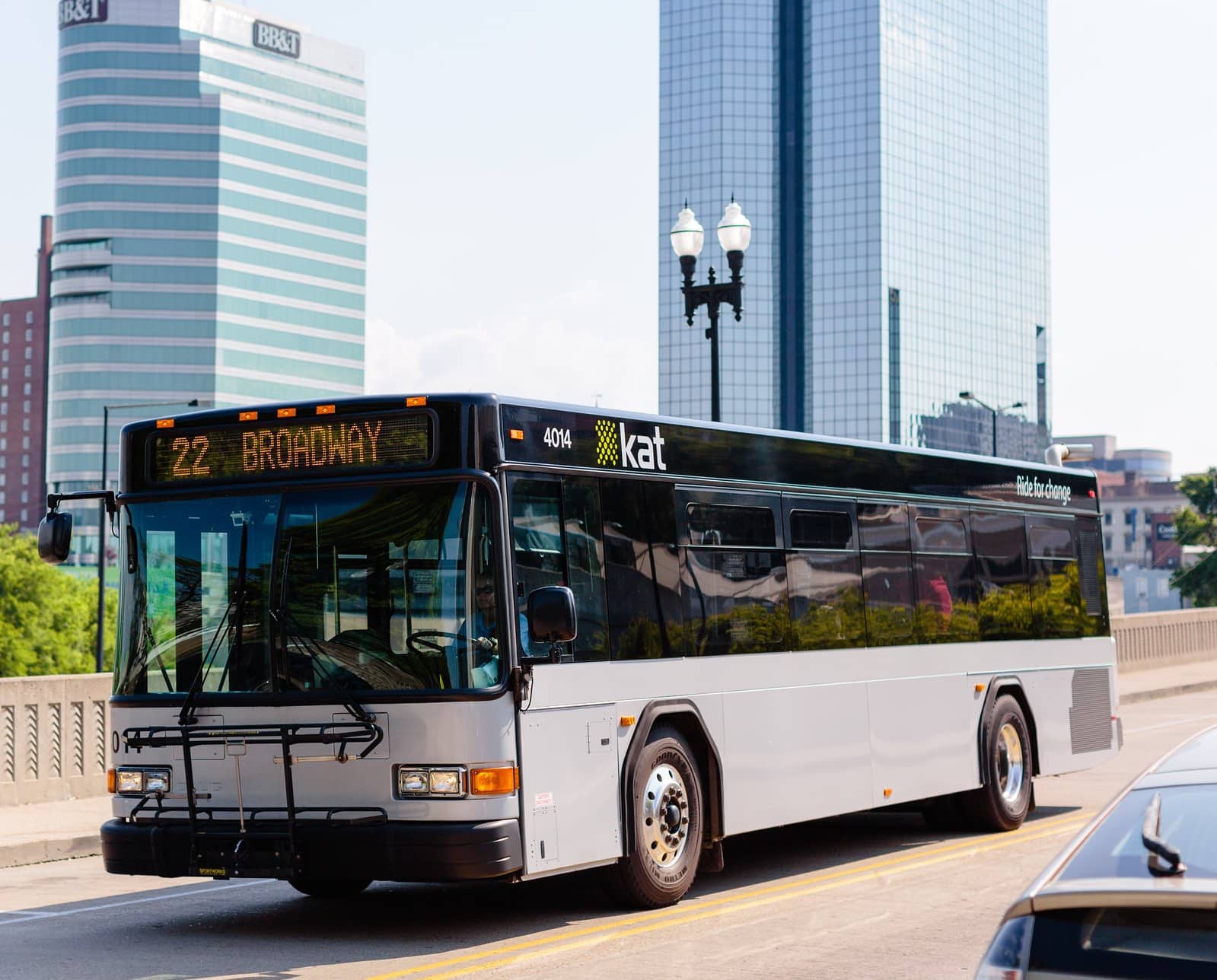
A transit agency in Knoxville, Tenn., yesterday introduced account-based ticketing, fare capping and new reloadable contactless cards, all geared–at least in part–to enable the agency to eliminate cash acceptance on board its buses.
It would have made Knoxville Area Transit, or KAT, one of the few agencies in the U.S. to rid its vehicles of cash. But KAT, which had proposed only last month to end cash acceptance starting Dec. 2, quickly reversed course after receiving pushback from some riders.
U.S. Agency Releases First Details about Reasons for ‘Emergency Procurement’ to Replace Fare System; is It Enough?

Texas transit agency Capital Metro said 1.25 million fare transactions went unprocessed during a 30-day period last spring by its incumbent vendor, Siemens Mobility, according to the agency in a newly released document that seeks to justify the “emergency purchase” of a new fare system directly from Cubic Transportation Systems.
The document (download below), obtained by Mobility Payments, is the first explanation made public on the reasons for the fast-track procurement last summer.
In-Depth: Cubic’s Hardware-Free Option for Mobile Ticketing; Will It Find a Market?

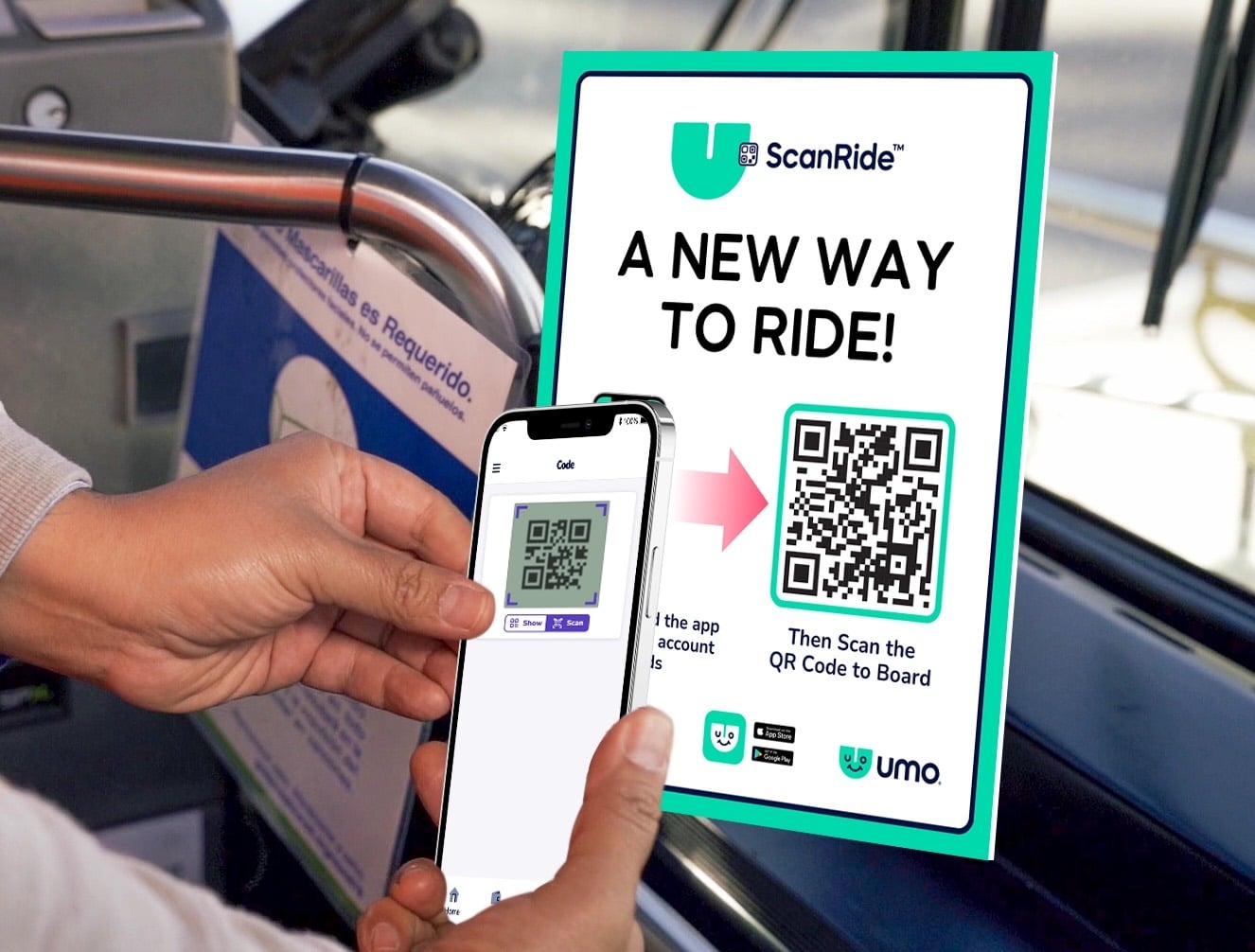
Cubic Transportation Systems has introduced an option for riders to scan printed QR codes with the vendor’s Umo mobile-ticketing app, targeting its main North American market.
The option, first trialed by Cubic in taxis last year in Chile, is aimed at small transit agencies and paratransit operators. Its “ScanRide” product would allow the agencies to avoid
Tip Sheet: Washington, D.C., Short Lists Vendors for Open-Loop Payments Project

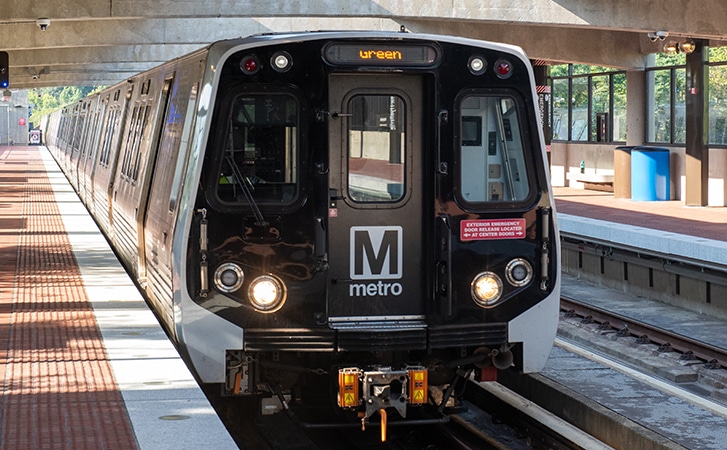
The Washington (D.C.) Metropolitan Area Transit Authority, or WMATA, one of the largest subway operators in the U.S., has narrowed its procurement for an open-loop payments project to a short list containing as few as two vendors, Mobility Payments has learned.
The agency would not release the names of the short-listed vendors, but Mobility Payments has learned they include
U.S. Agency CapMetro Calls ‘Emergency Procurement’ that Hired Cubic to Replace Incumbent Vendor Bytemark a ‘Pressing Urgency’

U.S. transit agency Capital Metro has issued its first public statement since conducting what it termed an “emergency procurement” to replace its current fare vendor, Siemens-owned Bytemark, with Cubic Transportation Systems, telling Mobility Payments it was a case “where public urgency precludes competition-related delays.”
Calling the situation an emergency allowed CapMetro to bypass rules requiring what federal regulations call a “full and open competition.” The agency, however, has yet to release documents publicly or answer questions to justify sidestepping those rules.
In its statement last week, CapMetro said that “Cubic was selected as the vendor during this emergency
Unreachable Goal? Denmark Seeks Adoption Rate of 90% for Its National Mobile-Ticketing Services

It’s difficult for an agency retire a long-established closed-loop card, even one with an aging technology and which is expensive to maintain.
But that is precisely what transport officials in Denmark propose to do. And not with open-loop payments or other cards, but with what it hopes will be a wildly popular mobile-ticketing app.