U.S. Transit Agency Releases Cost Analysis for ‘Emergency Procurement,’ Raising More Questions
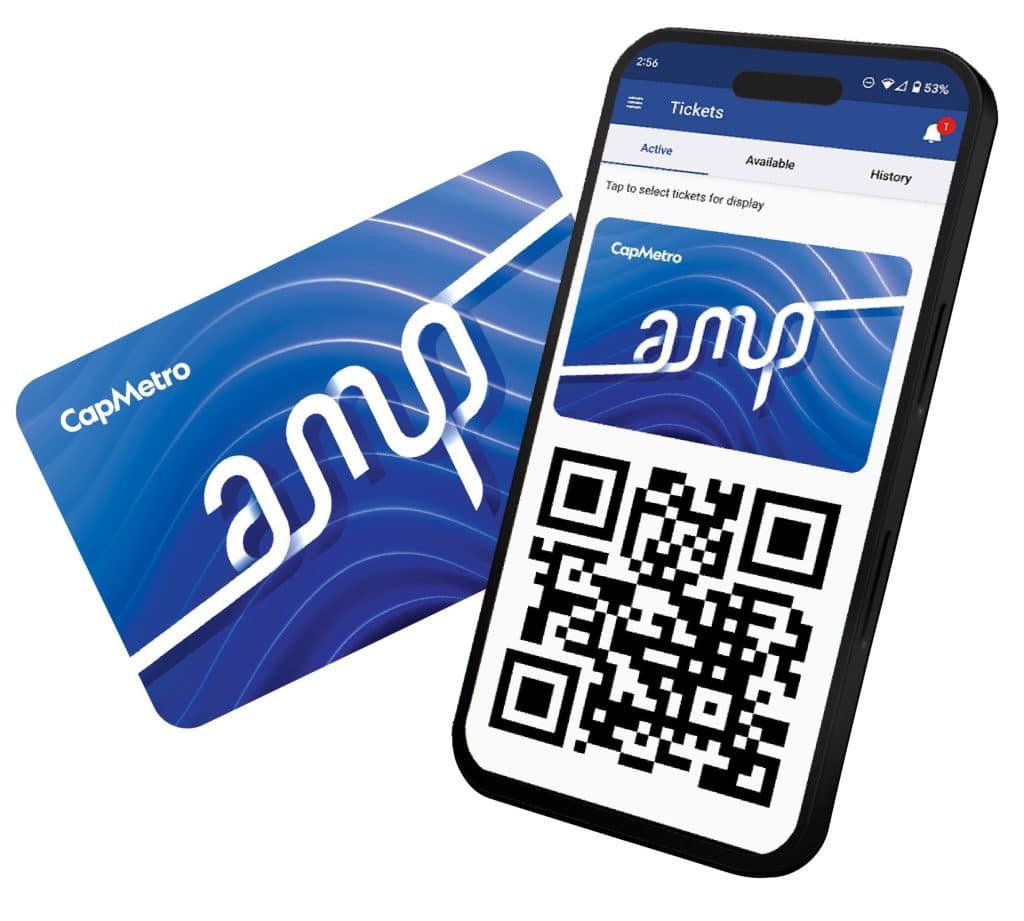
Texas transit agency Capital Metro stated in an “independent cost estimate” that the emergency fare-system replacement it is buying from Cubic Transportation Systems would cost it less than a similar system the agency could procure on the market. It does not, however, say how it arrived at the estimate for the higher-priced fare system.
An eight-page cost analysis and independent cost estimate (download below), obtained by Mobility Payments, stated that Cubic could replace CapMetro’s existing fare system for a total $5.78 million for
U.S. Agency Pulls Back from Going Cashless, Citing Some Rider Complaints
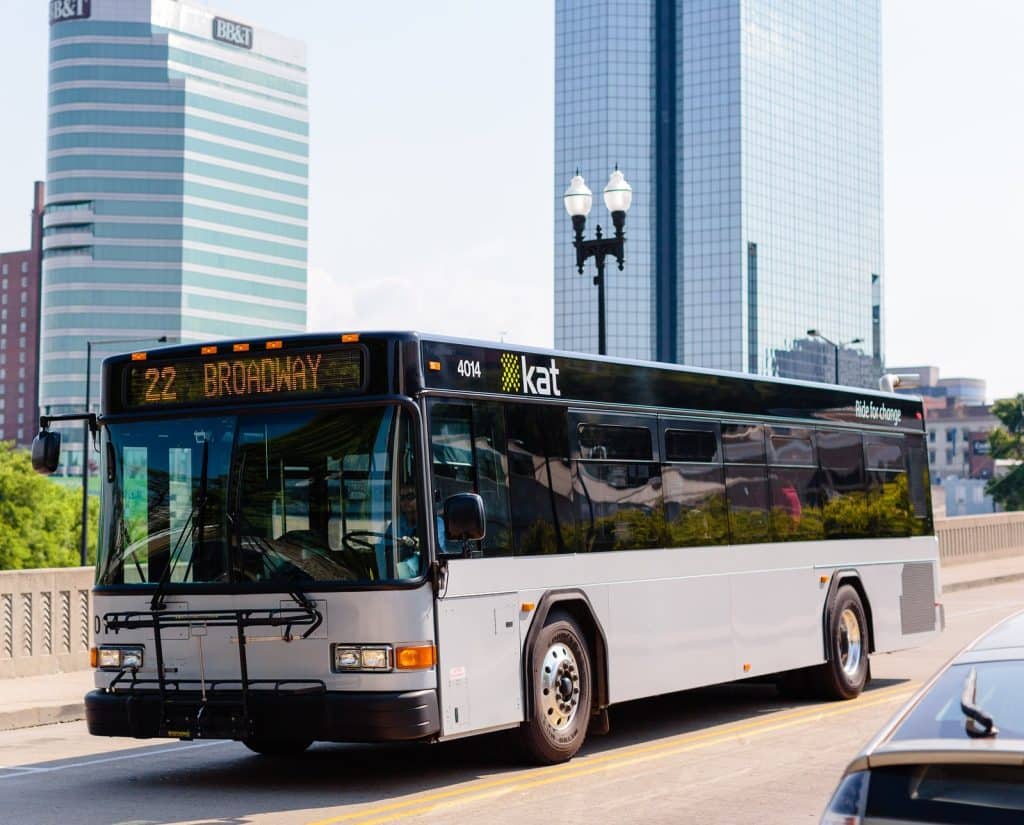
A transit agency in Knoxville, Tenn., yesterday introduced account-based ticketing, fare capping and new reloadable contactless cards, all geared–at least in part–to enable the agency to eliminate cash acceptance on board its buses.
It would have made Knoxville Area Transit, or KAT, one of the few agencies in the U.S. to rid its vehicles of cash. But KAT, which had proposed only last month to end cash acceptance starting Dec. 2, quickly reversed course after receiving pushback from some riders.
Netherlands Plans to Expand Open Loop to More Discount Products–as Growth in Adoption Continues to Slow
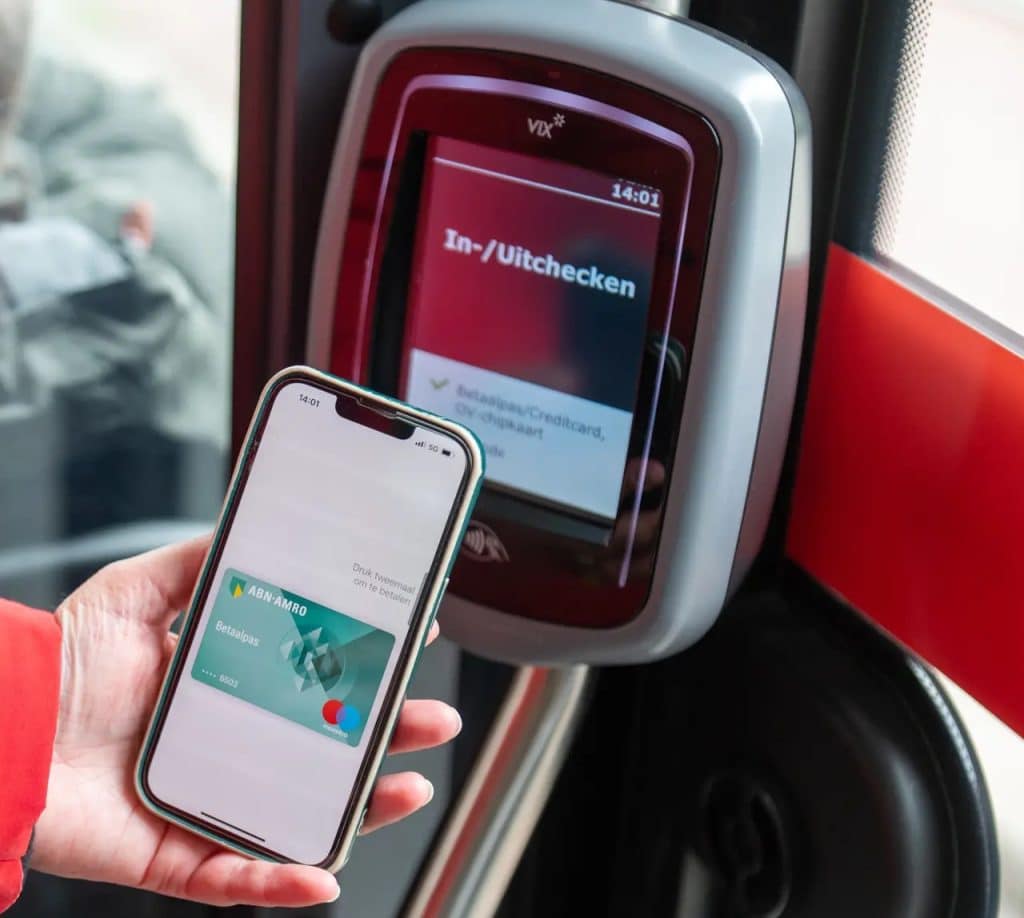
Public transport operators in the Netherlands plan to expand the discount products that customers receive when they tap their debit cards–with the goal of offering the same discounts as riders now get with the country’s much-used national closed-loop card.
This expansion has long been planned but is occurring as Dutch transport agencies see a continued slowing of growth of open-loop adoption nationwide. (See chart and table below.)
U.S. Agency Releases First Details about Reasons for ‘Emergency Procurement’ to Replace Fare System; is It Enough?
Texas transit agency Capital Metro said 1.25 million fare transactions went unprocessed during a 30-day period last spring by its incumbent vendor, Siemens Mobility, according to the agency in a newly released document that seeks to justify the “emergency purchase” of a new fare system directly from Cubic Transportation Systems.
The document (download below), obtained by Mobility Payments, is the first explanation made public on the reasons for the fast-track procurement last summer.
Tip Sheet: Montreal Authority Reissues RFP after Disappointing Results; Promises to be More Flexible This Time
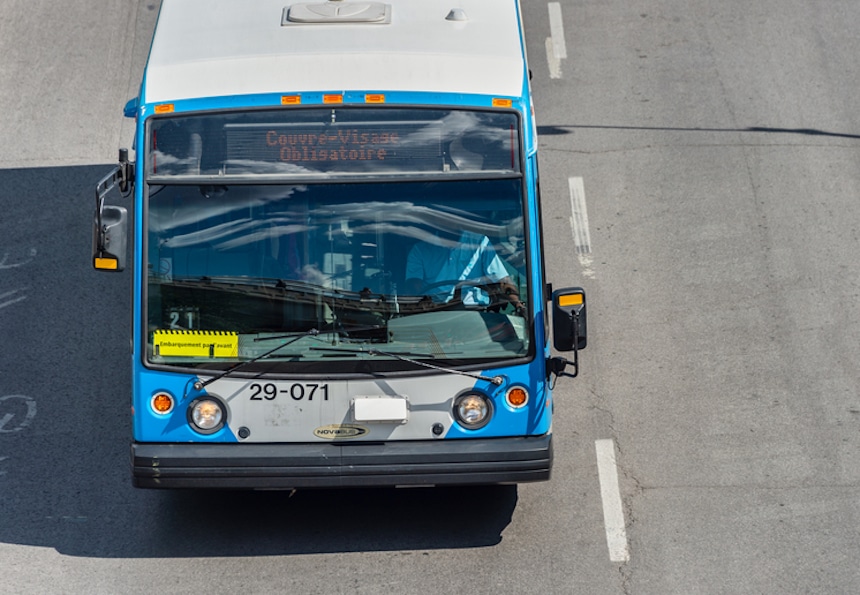
Montreal-area transport authority, Autorité régionale de transport métropolitain, or ARTM, has reissued its call to tenders, as promised, for a new account-based ticketing system, after having cancelled the previous tender request in August because of disappointing results.
Also: Netherlands to Roll Out White-Label EMV Card for Closed Loop; Denmark Issues Another Tender Request for Validators; Miami Delays RFP to Complete Fare-System Overhaul
Australia: Cubic Notches Contract in Tasmania by ‘Leveraging’ Its Larger Queensland Project in ‘Platform-as-a-Service’ Play
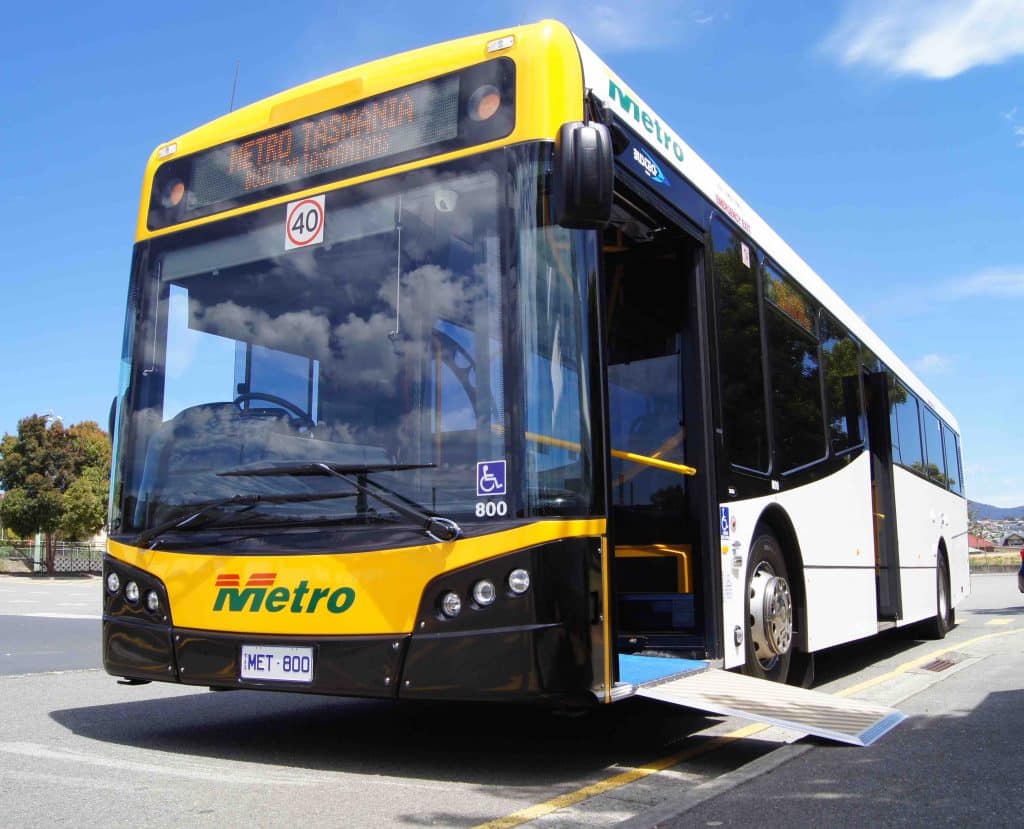
Seeking “big city” features for its fare system, the small Australian state of Tasmania has decided to plug into the back office of a much larger fare system that is under development by Cubic Transportation Systems in the state of Queensland.
The unusual move means Tasmania will get a long-delayed upgrade to a fare system that will serve
Cubic Planning Open-Loop Payments Product as Part of New Business Unit

Cubic Transportation Systems’ new business unit, Mobility Essentials, which will oversee the vendor’s software-as-a-service ticketing platform, Umo, will also offer an open-loop payments product that has yet to launch, Mobility Payments has learned.
The vendor has put the new business unit within what it now calls its “Cubic Transportation Ventures”
In-Depth: Cubic’s Hardware-Free Option for Mobile Ticketing; Will It Find a Market?
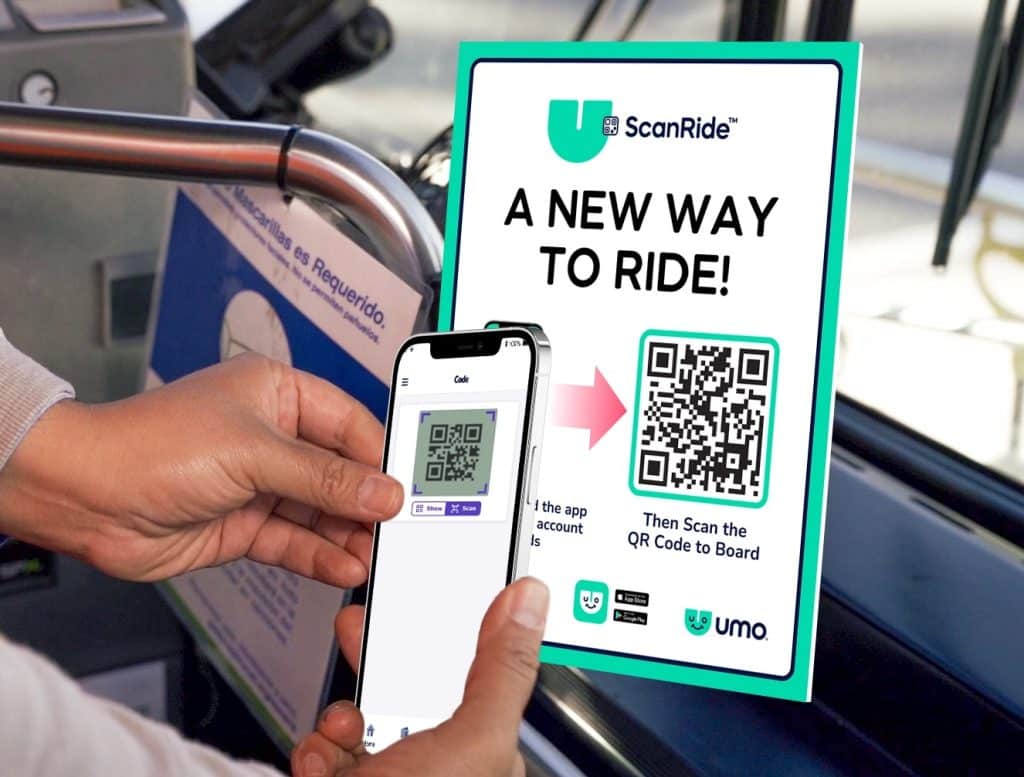
Cubic Transportation Systems has introduced an option for riders to scan printed QR codes with the vendor’s Umo mobile-ticketing app, targeting its main North American market.
The option, first trialed by Cubic in taxis last year in Chile, is aimed at small transit agencies and paratransit operators. Its “ScanRide” product would allow the agencies to avoid
Tip Sheet: Washington, D.C., Short Lists Vendors for Open-Loop Payments Project
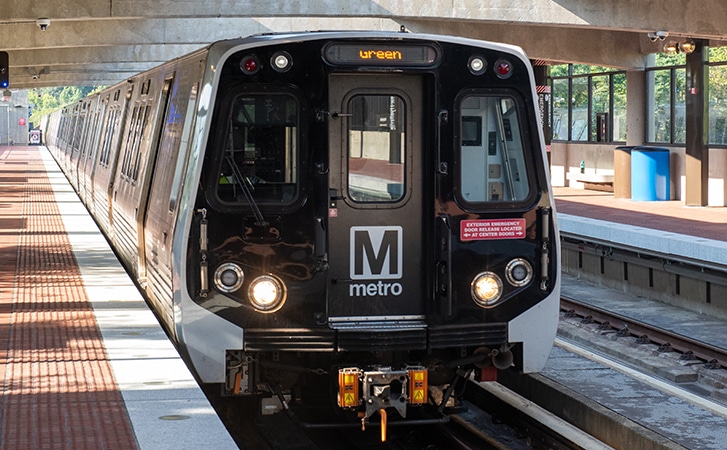
The Washington (D.C.) Metropolitan Area Transit Authority, or WMATA, one of the largest subway operators in the U.S., has narrowed its procurement for an open-loop payments project to a short list containing as few as two vendors, Mobility Payments has learned.
The agency would not release the names of the short-listed vendors, but Mobility Payments has learned they include
U.S. Agency CapMetro Calls ‘Emergency Procurement’ that Hired Cubic to Replace Incumbent Vendor Bytemark a ‘Pressing Urgency’
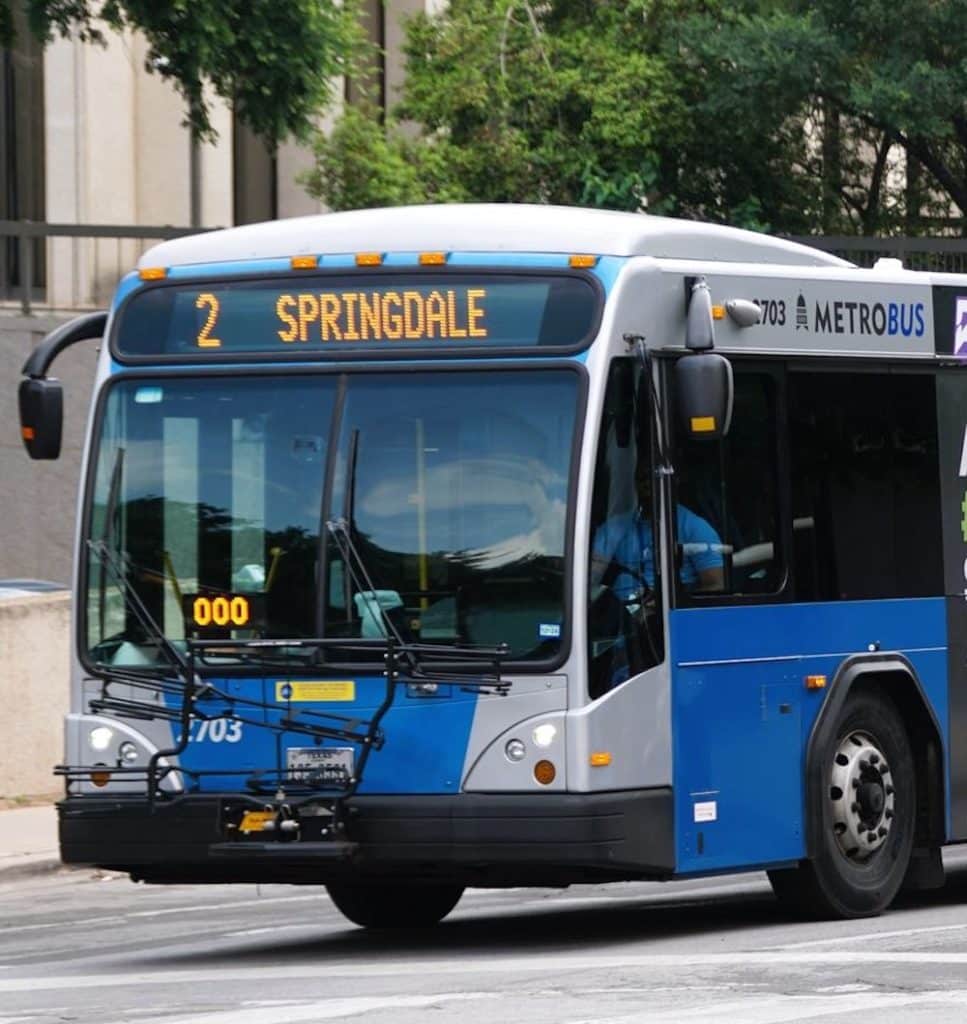
U.S. transit agency Capital Metro has issued its first public statement since conducting what it termed an “emergency procurement” to replace its current fare vendor, Siemens-owned Bytemark, with Cubic Transportation Systems, telling Mobility Payments it was a case “where public urgency precludes competition-related delays.”
Calling the situation an emergency allowed CapMetro to bypass rules requiring what federal regulations call a “full and open competition.” The agency, however, has yet to release documents publicly or answer questions to justify sidestepping those rules.
In its statement last week, CapMetro said that “Cubic was selected as the vendor during this emergency